
Supplements
-
Vitamin E Uses, Side Effects, Dosage: Can It Help Regulate Blood Sugar During Menopause?
Key Takeaways What is Vitamin E? Vitamin E is a fat-soluble vitamin that plays a crucial role in various bodily functions, including maintaining healthy skin and eyes, supporting the immune system, and acting as a powerful antioxidant. It exists in several forms, with alpha-tocopherol being the most biologically active and recognized as essential for human…
-
Aloe Vera for Menopause: Uses, Side Effects & Dosage of Natural Plant Extract for Weight Control
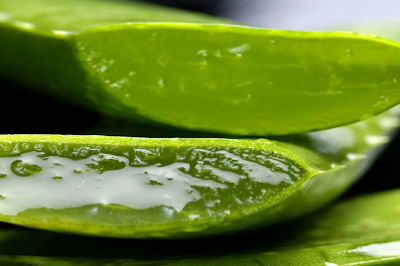
Key Takeaways What is Aloe Vera? Aloe vera is a succulent plant species that grows in tropical climates. The leaves contain a gel-like substance that has been used for centuries in traditional medicine. Aloe vera supplements are made from the gel or latex of the plant leaves. Key Components of Aloe Vera The gel inside…
-
Bromelain for Menopause: Can This Enzyme Aid Blood Sugar Regulation?
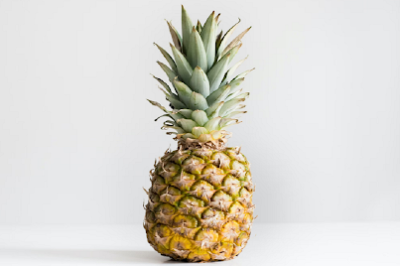
Key Takeaways Overview of Bromelain Bromelain is a group of proteolytic enzymes extracted from the stem, fruit, and juice of pineapple plant (Ananas comosus). It has been used in traditional medicine for centuries in Central and South America for various health benefits. Composition and Mechanism Bromelain consists of a mixture of enzymes that digest proteins…
-
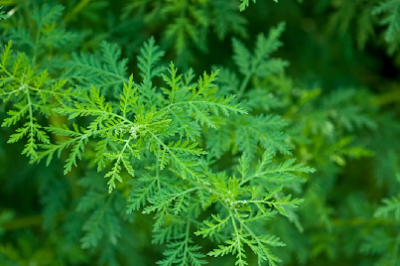
Artemisinin for Menopause: How Does This Herbal Extract Aid Weight Loss?
Key Takeaways Overview of Artemisinin Artemisinin is a natural compound derived from the sweet wormwood plant, scientifically known as Artemisia annua. It is primarily used as a medication to treat malaria against the malaria parasite Plasmodium falciparum, which is known for causing severe illness and resistance to other treatments. It works by producing reactive oxygen…
-
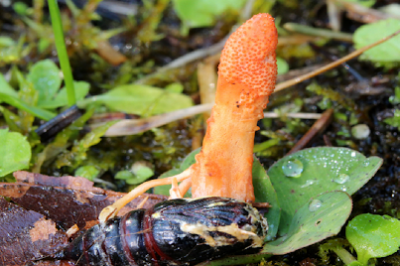
Cordyceps for Menopause: Adaptogenic Fungus Uses, Side Effects & Dosage for Weight Loss & Hormone Regulation
Key Takeaways Overview of Cordyceps Cordyceps is a type of fungus that has been used in traditional Chinese medicine for centuries. This fungus grows on the larvae of insects, predominantly in the high-altitude regions of Asia, and is renowned for its various health benefits such as boosting energy and improving immunity. Types of Cordyceps There…
-
Copper for Menopause: Uses, Side Effects & Dosage of Essential Mineral for Bone & Hormonal Health
Key Takeaways Overview of Copper Copper is an essential trace mineral that plays an important role in various bodily functions, including energy production, iron absorption, and the formation of connective tissue and red blood cells. It is primarily absorbed in the upper small intestine and is vital for maintaining neurological function and preventing oxidative damage.…
-

Xylitol for Blood Sugar Management, Menopause & Weight Loss
The versatile sweetener xylitol benefits blood sugar control, weight management, and menopause symptoms.
-
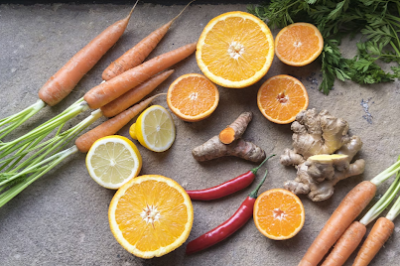
Beta-Carotene for Menopause: Can It Help with Skin & Hormonal Health?
Key Takeaways Overview of Beta-Carotene Beta-carotene is a natural pigment found in many fruits and vegetables that gives them their vibrant orange, red, and yellow colors. It is a type of carotenoid, which are fat-soluble compounds that act as antioxidants in the body. The body can convert beta-carotene into vitamin A – an essential nutrient…
-
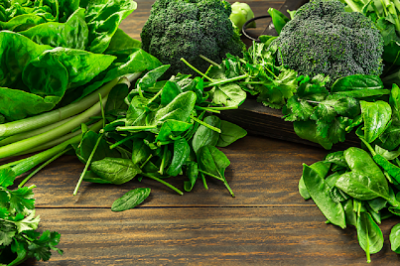
Vitamin K for Menopause: Does It Promote Bone Health?
Key Takeaways Overview of Vitamin K Vitamin K is a fat-soluble vitamin essential for various bodily functions, primarily known for its critical role in blood clotting and bone health. It exists in several forms, primarily Vitamin K1 (phylloquinone) and Vitamin K2 (menaquinone), each with distinct sources and functions. Sources of Vitamin K Vitamin K is…
-
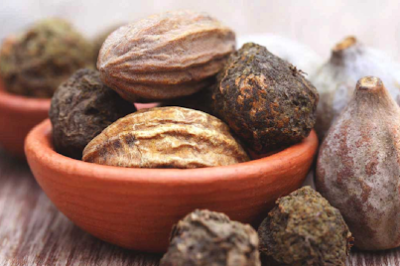
Triphala for Menopause: Ayurvedic Uses, Side Effects & Dosage for Weight & Hormonal Balance
Key Takeaways Overview of Triphala Triphala is a potent herbal formulation used in Ayurvedic medicine for thousands of years. The term “Triphala” translates to “three fruits,” referring to its composition of three powerful ingredients: Amalaki (Emblica officinalis), Bibhitaki (Terminalia bellirica), and Haritaki (Terminalia chebula). Ingredients Each of the three fruits in Triphala brings its own…
-

5-HTP for Menopause: Uses, Side Effects & Dosage for Mood-Boosting Support
Key Takeaways Overview of 5-HTP 5-HTP, or 5-Hydroxytryptophan, is a natural compound produced in the body from an amino acid called L-tryptophan. It is primarily known for its role in increasing serotonin levels – a neurotransmitter that helps regulate mood, sleep, appetite, and other important functions. Sources and Production 5-HTP is derived from L-tryptophan, which…
-

Acetyl-L-Carnitine for Menopause: Uses, Side Effects & Dosage for Weight & Blood Sugar Stability
Key Takeaways Overview of Acetyl-L-carnitine Acetyl-L-carnitine (ALCAR) is a compound derived from L-carnitine, which is an amino acid that helps the body produce energy. It plays an important role in transporting fatty acids into the mitochondria – the part of cells where energy is produced. This process is important for converting fats into energy, especially…
-
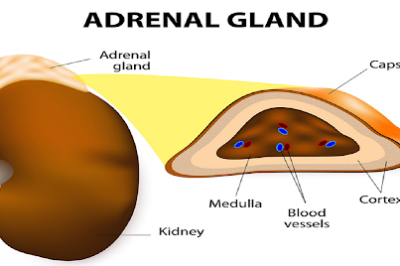
Adrenal Glandulars for Menopause: Can It Improve Fatigue & Hormonal Changes?
Key Takeaways Overview of Adrenal Glandulars Adrenal glandulars are dietary supplements derived from the adrenal glands of animals, typically bovine (cows). These supplements are believed to provide nutrients and hormones that support adrenal function in cases of adrenal fatigue. Composition and Purpose Adrenal glandulars contain freeze-dried adrenal tissue, which is thought to help restore normal…
-

Alpha-GPC for Menopause: Uses, Side Effects & Dosage for Cognitive & Hormonal Benefits
Key Takeaways Overview of Alpha-glycerophosphocholine Alpha-glycerophosphocholine (Alpha-GPC) is a compound that contains choline – a nutrient important for brain health. It is naturally found in small amounts in meat and dairy products. When taken as a supplement, Alpha-GPC is easily absorbed and can cross the blood-brain barrier. In the brain, it is broken down into…
-
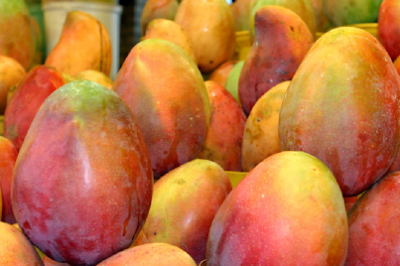
African Mango for Menopause: Uses, Side Effects & Dosage for Metabolic Weight Loss Support
Key Takeaways Overview of African Mango African mango (Irvingia gabonensis) is a tree native to tropical West Africa that bears edible mango-like fruits. It is also known as bush mango, wild mango, or dika nut. The tree can grow up to 40 meters tall and has a flared base up to 3 meters high. The…
-

Agaricus Blazei Mushroom for Menopause: Uses, Side Effects & Dosage for Immune & Hormonal Support
Key Takeaways Overview of Agaricus Blazei Mushroom Agaricus blazei mushroom, also known as Agaricus blazei Murill, is a medicinal mushroom originally found in Brazil. It’s now cultivated in various parts of the world, including China, Japan, and the United States. This mushroom has been used traditionally for its numerous health benefits such as boosting the…
-
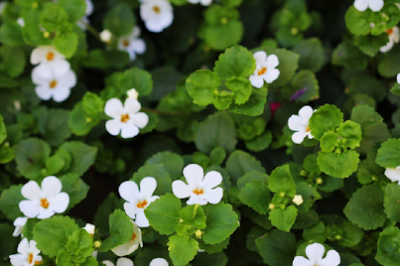
Bacopa Monnieri for Menopause: Nootropic Ayurvedic Herb for Hormonal & Cognitive Support
Key Takeaways Overview of Bacopa Monnieri Bacopa Monnieri, commonly known as water hyssop or brahmi, is a perennial herb native to wetlands across various regions, including southern and eastern India, Australia, and parts of Africa and the Americas. It belongs to the Plantaginaceae family and is characterized by its succulent and oblong leaves and small…
-
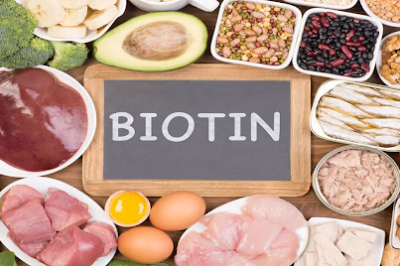
Biotin for Menopause: Does This B Vitamin Support Blood Sugar Control?
Key Takeaways Overview of Biotin Biotin, also known as vitamin B7 or vitamin H, is a water-soluble B-complex vitamin that plays an important role in various bodily functions. It is involved in the metabolism of fats, carbohydrates, and amino acids to help convert food into energy. Sources of Biotin You can find biotin in a…
-

Boron for Menopause: Uses, Side Effects & Dosage for Hormonal Health & Weight Loss
Key Takeaways Overview of Boron Boron is a trace element found naturally in many foods, primarily derived from plant sources. While not classified as an essential nutrient for humans, boron plays various roles in biological processes, including the metabolism of minerals and hormones, bone health, and potentially influencing brain function and immune response. The average…
-
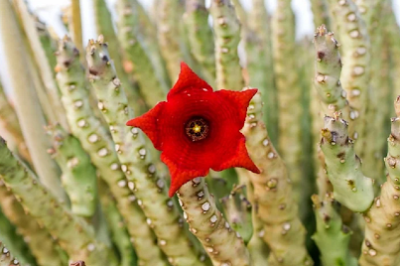
Caralluma Fimbriata for Menopause: Natural Appetite Suppressant for Menopause Weight Loss
Key Takeaways Overview of Caralluma Fimbriata Caralluma Fimbriata is an edible succulent cactus that grows wild throughout India, which has been used for thousands of years in Indian culture as an appetite suppressant and famine food. The plant is part of the diet of several native Indian populations, who eat it raw, boiled, or cooked…
-

Carnosine for Menopause: Antioxidant Uses, Side Effects & Dosage for Blood Sugar & Hormone Health
Key Takeaways What is Carnosine? Carnosine is a naturally occurring dipeptide consisting of two amino acids: beta-alanine and histidine. It is found in high concentrations in muscle and brain tissues. Known for its antioxidant properties, carnosine helps to protect cells from damage caused by free radicals. Besides, it also exhibits anti-glycation and anti-inflammatory benefits that…
-

Cascara Sagrada for Menopause: Uses, Side Effects & Dosage for Gentle Detox & Digestive Health
Key Takeaways Overview of Cascara Sagrada Cascara sagrada, which translates to “sacred bark” in Spanish, is derived from the dried bark of the Rhamnus purshiana tree, commonly known as the California buckthorn. This shrub is native to western North America and has been used for centuries as a natural laxative to manage constipation and other…
-

Chlorella for Menopause: Superfood Uses, Side Effects & Dosage for Detox & Hormonal Balance
Key Takeaways Overview of Chlorella Chlorella is a single-celled green algae that grows in freshwater. It has gained popularity as a superfood due to its high nutrient content and potential health benefits. Chlorella is packed with proteins, vitamins, minerals, and antioxidants including: Besides its nutritional profile, Chlorella is known for its ability to support detoxification,…
-
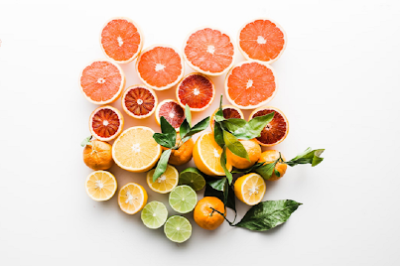
Citrus Bioflavonoids for Menopause: Antioxidant Uses, Side Effects & Dosage for Blood Sugar Stability
Key Takeaways Overview of Citrus Bioflavonoids Citrus bioflavonoids are a group of plant-derived compounds found primarily in citrus fruits, such as oranges, lemons, limes, and grapefruits. These bioactive compounds are recognized for their antioxidant properties and potential health benefits. Sources Citrus bioflavonoids are primarily obtained from consuming whole citrus fruits. They are also available as…
-

Vitamin B6 for Menopause: Uses, Side Effects & Dosage for Influencing Estrogen Levels
Key Takeaways What is Vitamin B6? Vitamin B6, also known as pyridoxine, is a water-soluble vitamin that is necessary for over 100 enzyme reactions involved in metabolism. It helps in the formation of hemoglobin, the protein in red blood cells that carries oxygen. Additionally, it supports brain health by aiding in the production of neurotransmitters,…
-
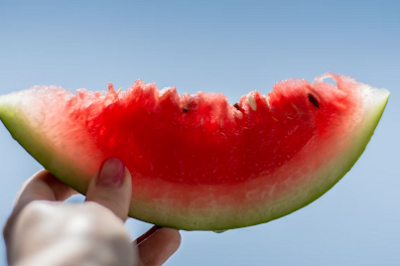
Citrulline for Menopause: How Does This Amino Acid Benefit Hormonal Health?
Key Takeaways Overview of Citrulline Citrulline is a non-essential amino acid that plays a significant role in various physiological processes in the body. It is produced naturally and is also found in certain foods, most notably watermelon, from which it derives its Latin name (Citrullus vulgaris). Biological Functions Citrulline is primarily involved in the urea…
-

Coenzyme Q10 for Menopause: Uses, Side Effects & Dosage of Cellular Energy Booster for Hormonal Balance
Key Takeaways Overview of Coenzyme Q10 Coenzyme Q10, also known as ubiquinone, is a fat-soluble, vitamin-like molecule that is naturally present in every cell membrane in the human body. It is a regular component of one’s diet, although it is also synthesized endogenously. CoQ10 plays an important role in the mitochondrial oxidative respiratory chain to…
-

Cranberry for Menopause: Can It Support Urinary & Hormonal Health?
Key Takeaways Cranberry Overview Cranberries are small, round, deep red fruits known for their tart flavor and are usually associated with North American cuisine. The most commonly cultivated species is the American cranberry (Vaccinium macrocarpon). These berries grow on low-lying vines in freshwater bogs, primarily in the northern United States and southern Canada, and are…
-

Creatine for Menopause: Can It Improve Energy & Blood Sugar?
Key Takeaways Overview of Creatine Creatine is a naturally occurring compound primarily found in muscle cells, where it plays an important role in energy production during high-intensity exercise. It is synthesized in the body from the amino acids glycine and arginine, and it can also be obtained from dietary sources like red meat and fish. …
-

Mulberry Leaf Extract for Menopause: Uses, Side Effects & Dosage for Managing Blood Sugar Levels
Key Takeaways What is Mulberry Leaf Extract? MLE is derived from the leaves of the mulberry tree, scientifically known as Morus alba. This tree is native to China but is now cultivated worldwide for its beneficial properties. Traditionally, mulberry leaves have been used in various cultures for their medicinal benefits, particularly in Asia. Mulberry leaves…