
Key Takeaways
- Capsaicin boosts metabolism by increasing calorie burn through thermogenesis.
- This compound in chili peppers promotes fat breakdown and reduces abdominal fat.
- By boosting insulin sensitivity and glucose tolerance, it can improve blood sugar control.
- Capsaicin affects hormones that regulate hunger, helping reduce cravings.
- Menopausal women may benefit from its effects on weight management and hormone sensitivity.
What is Capsaicin?
Capsaicin is the compound in chili peppers that gives them their spicy kick. Beyond its heat-inducing properties, capsaicin offers several health benefits. It’s especially useful for women looking to boost metabolism and manage weight.

Benefits of Capsaicin
Boosts Metabolism
It helps increase metabolism by stimulating thermogenesis—a process that generates heat by burning calories. Research shows that regular capsaicin consumption can increase energy expenditure by approximately 50 kcal/day, supporting weight management and promoting fat oxidation.
Promotes Fat Burning
Capsaicin doesn’t just boost metabolism—it directly helps your body break down fat. A 12-week study found that participants who took capsaicin supplements experienced a reduction in abdominal fat. It activates specific receptors that stimulate fat cells to release energy, which may aid in weight management.
Relieves Pain
It is also known for its pain-relieving properties. It works by desensitizing sensory neurons, which blocks pain signals from reaching the brain. It’s particularly effective in treating conditions like arthritis, neuropathic pain, and post-surgical pain. Many people use topical creams containing capsaicin to relieve chronic pain.
Reduces Inflammation
Capsaicin’s anti-inflammatory properties can be beneficial, particularly for women going through menopause. It helps reduce inflammatory markers in the body, which may ease symptoms associated with chronic inflammation.
A 2017 study found that capsaicin supplementation reduces inflammation induced by lipopolysaccharide, a component known to trigger inflammatory responses.
Side Effects of Capsaicin
While capsaicin provides many health benefits, it may cause side effects such as stomach irritation, heartburn, mouth burning, and skin irritation when applied topically. People with stomach problems, allergies to chili peppers, or sensitive skin should use capsaicin with caution.

Capsaicin & Weight Loss
Boosts Calorie Burn
Capsaicin has a unique ability to raise the body’s calorie-burning rate. It does this by activating thermogenesis, a process where your body uses energy to produce heat. Adding capsaicin to your diet can increase the number of calories you burn each day by about 50 kcal, which can add up over time.
Targets Fat Loss
By triggering the TRPV1 receptor—a part of your body’s nervous system that responds to heat and pain—capsaicin encourages fat cells to release stored energy. One study found that participants taking capsaicin supplements reduced their body fat, especially around the abdomen.
Reduces Cravings
Another benefit of capsaicin is its ability to help you feel fuller for longer, which can reduce overall food intake. By interacting with hunger-regulating receptors, it may curb cravings and limit the urge to snack.
Capsaicin & Blood Sugar Management
Improves Insulin Sensitivity
Capsaicin can improve the way your body responds to insulin, helping to lower blood sugar levels more effectively. A paper published in 2018 found that capsaicin increased insulin sensitivity by activating specific receptors in the body. This activation led to better blood sugar control and a reduced risk of insulin resistance.
Boosts Glucose Tolerance
This compound can also improve glucose tolerance, which is how well your body processes sugar. Research conducted on diabetic mice showed that capsaicin significantly reduced the amount of glucose produced by the liver while promoting glycogen storage. This led to better blood sugar regulation and overall metabolic health.
Regulates Metabolism Through the Gut
Capsaicin doesn’t just work in isolation—it also influences the gut microbiota, which plays an important role in metabolic health. Studies have shown that capsaicin can modulate bile acid metabolism and improve the gut-liver connection, which helps regulate glucose levels. This gut interaction further enhances insulin sensitivity and glucose tolerance.

Capsaicin & Hormone Balance
Affects Appetite-Regulating Hormones
It has a direct effect on hormones that control hunger and fullness. Studies show that it can increase levels of GLP-1—a hormone that boosts insulin secretion. At the same time, capsaicin tends to decrease ghrelin—a hormone that makes you feel hungry.
Influences Female Hormones
A 2012 study found that women experience a stronger reaction to capsaicin during certain phases of their menstrual cycle when estrogen levels drop. This heightened sensitivity may be linked to the role of capsaicin in releasing CGRP—a neuropeptide involved in vasodilation. Vasodilation is when blood vessels widen, allowing more blood to flow through.
Capsaicin & Menopause Management
Supports Weight Management
Weight gain is a common concern for many women during menopause. Capsaicin can help support weight management by increasing energy expenditure and fat oxidation. Research shows that consuming capsaicin enhances calorie burning and fat breakdown, which helps combat the weight gain that often accompanies menopause.
Longevity and Energy Levels
Capsaicin may also have an impact on longevity and energy levels, especially in women. One study found that capsaicin extended lifespan in females but also decreased their daytime activity, suggesting a possible connection between capsaicin, hormonal changes, and energy balance during menopause. While more research is needed, the findings can point to capsaicin’s role in managing energy levels as women age.
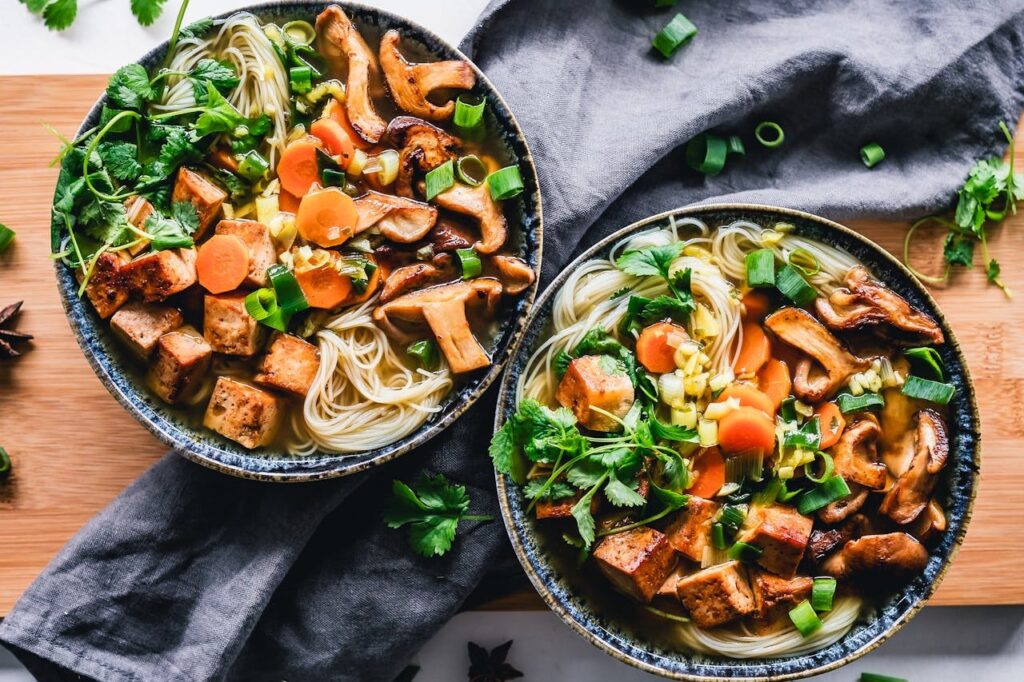
Adding Capsaicin to Your Diet
Incorporating capsaicin into your meals can add both flavor and health benefits. Here are a few easy ways to start:
- Toss in some chili peppers: Add fresh or dried chili peppers to salads, soups, or stir-fries for a spicy kick.
- Sprinkle cayenne pepper: Use cayenne to season meats, vegetables, or even roasted nuts.
- Try different hot sauces: Drizzle hot sauce on eggs, tacos, or roasted vegetables to boost flavor and your capsaicin intake.
Safe Capsaicin Dosages
| Age Group | Dosage | Health Benefits | Side Effects | Research Sources |
| Adults(capsule form) | 135-150 mg per day | May enhance energy expenditure and improve insulin sensitivity | Possible increased body temperature, digestive irritation | Oxford, NCBI |
| Adults(meal incorporation) | 0.2-33 mg per meal | Can improve postprandial glucose levels and satiety | May cause discomfort in sensitive individuals | Oxford, UPM |
| Long-term consumption | Up to 30 mg per day | May support weight management and metabolic health | Potential for increased blood pressure; gastrointestinal issues | NCBI |
Capsaicin Interactions with Drugs/Supplements
Common Drugs:
- Blood thinners
- Blood pressure medications
- NSAIDs (non-steroidal anti-inflammatory drugs)
Other Supplements:
- Garlic and ginger
- Raspberry ketones
Always consult your healthcare provider before adding capsaicin to your supplement routine.
Frequently Asked Questions (FAQ)
What Is Capsaicin and How Does It Work?
Capsaicin is the compound in chili peppers that triggers thermogenesis to help burn calories and fat.
Can Capsaicin Help With Weight Loss?
Yes, capsaicin can increase metabolism, boost fat oxidation, and reduce cravings to aid weight loss.
Does Capsaicin Affect Blood Sugar Levels?
Capsaicin improves insulin sensitivity and glucose tolerance, helping regulate blood sugar levels.
How Can Capsaicin Benefit Women During Menopause?
Capsaicin supports weight management and may reduce sensitivity to hormonal changes during menopause.
Are There Any Side Effects or Risks of Taking Capsaicin?
Capsaicin may cause stomach irritation, heartburn, or increased sensitivity in some individuals.




Leave a Reply