
Key Takeaways
- Dong quai is a traditional Chinese herb used to manage menopause symptoms such as hot flashes, night sweats, and mood swings.
- It may also aid in blood sugar regulation, potentially benefiting weight management.
- Dong quai can interact with blood thinners and hormonal medications.
- The typical dosage of dong quai is between 500-600 mg in powdered form, taken 1-6 times daily.
- Pregnant and breastfeeding women should avoid dong quai due to its potential hormonal effects.
What is Dong Quai?
Dong quai, scientifically known as Angelica sinensis, is a traditional Chinese herb often referred to as the “female ginseng.” It has been used for centuries in Eastern medicine to support women’s health, particularly for conditions like menopause and menstrual irregularities. Its roots are the primary component used in various supplement forms, including powders, capsules, and teas.
Benefits of Dong Quai
- Menopausal Symptom Relief: Dong quai has been used for over 2,000 years in traditional Chinese medicine to manage menopausal symptoms like hot flashes and mood swings, but the evidence supporting its effectiveness is limited and inconclusive.
- Premenstrual Syndrome (PMS) Relief: Dong quai may offer relief for PMS symptoms, including breast tenderness and mood changes.
- Improved Blood Health: In traditional Chinese medicine, dong quai is valued for its ability to enrich and nourish the blood—but more scientific studies are required to substantiate its impact on blood health.
- Anti-inflammatory Effects: Dong quai contains compounds with potential anti-inflammatory properties, which may aid in pain relief. However, its effectiveness for this purpose has not been thoroughly proven.
- Immune System Support: Dong quai may support immune health, but additional studies are necessary to understand this benefit fully.
Side Effects of Dong Quai
Common Side Effects
- Photosensitivity: Dong quai may increase sensitivity to sunlight, leading to skin reactions such as redness, itching, or rash when exposed to UV light.
- Gastrointestinal Issues: Some users report bloating, gas, diarrhea, loss of appetite, or nausea after taking dong quai.
- Allergic Reactions: Severe allergic reactions, including difficulty breathing, hives, or swelling of the face, lips, tongue, or throat, can occur and require immediate medical attention.
- Increased Bleeding Risk: Dong quai may affect blood clotting, increasing the risk of easy bruising or bleeding, especially in those on anticoagulant medications like warfarin.
- Hormonal Effects: Dong quai may mimic estrogen, potentially worsening conditions such as hormone-sensitive cancers (e.g., breast or ovarian cancer) and endometriosis.
Dong Quai & Weight Loss

Some animal studies have indicated that dong quai may help regulate blood sugar levels and improve insulin sensitivity, which can be beneficial for weight management. For example, one study found that administering dong quai to mice reduced blood sugar levels and insulin resistance.
Dong Quai & Blood Sugar Management
A study identified two polysaccharides, APS-1I and APS-2II, from dong quai, focusing on their effects on insulin resistance in HepG2 cells and in vivo models. APS-1I demonstrated significant improvement in glucose absorption and reduced markers of insulin resistance. In animal models, APS-1I improved insulin sensitivity and reversed signaling pathways associated with insulin resistance, suggesting its potential as a therapeutic agent for managing blood sugar levels in diabetic conditions.
Another study examined the hypoglycemic and hypolipidemic effects of Angelica sinensis polysaccharide (ASP) in diabetic mice. After four weeks of treatment, ASP significantly lowered fasting blood glucose levels and improved insulin sensitivity. It also helped restore normal serum insulin levels and reduced inflammation linked to insulin resistance.
Dong Quai & Hormone Balance
Research on the effects of dong quai on hormone balance shows potential, particularly for women dealing with menstrual and menopausal symptoms.
Some studies suggest that it may also function as a serotonin reuptake inhibitor, potentially aiding mood regulation during menopause. However, caution is advised for women with hormone-sensitive conditions, as it could increase estrogen levels.
The estrogenic activity of dong quai remains controversial. Some research indicates it can stimulate estrogen receptor-positive cells, while other studies find no significant estrogenic effects.
Dong Quai & Menopause Management
Research on the effects of dong quai in managing menopausal symptoms has produced mixed results.
Dong quai has been used for centuries to alleviate menopausal symptoms like hot flashes, night sweats, and mood swings. Earlier theories suggested that its estrogenic effects might help regulate hormone levels naturally. An Italian study found that combining dong quai with German chamomile could reduce hot flashes by up to 96%, though further research is needed to confirm its effectiveness as a natural alternative to hormone replacement therapy.
Additional placebo-controlled studies, including one with 71 postmenopausal women, found no statistically significant differences between dong quai and placebo in relieving menopausal symptoms such as hot flashes and night sweats.
Adding Dong Quai to Your Diet

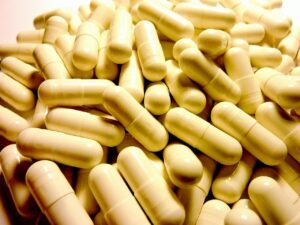
- Capsules/Tablets: Dong quai is available in capsule or tablet form, typically containing powdered root. Common dosages range from 500 to 600 mg, taken multiple times daily.
- Tinctures: Dong quai is also available as a tincture, with a typical dosage of 40 to 80 drops, three times daily. Tinctures can be mixed with water or taken directly.
- Dried Root: The dried root can be used to make herbal teas or infusions by boiling or soaking it in water or wine. You can enhance the flavor with honey or lemon.
- Soups/Broths: In traditional Chinese cuisine, dong quai is sometimes added to soups or broths, particularly those aimed at nourishing the blood or supporting women’s health.
- Combination Supplements: Dong quai is often used in combination with other herbs like black cohosh or ginseng in herbal blends for menopausal symptom relief.
Safe Dong Quai Dosages
| Age Group | Dosage | Health Benefits | Side Effects | Research Sources |
| Adults | 500-600 mg, taken 1-6 times daily (powdered form) | May alleviate menopausal symptoms, such as hot flashes and mood swings; supports menstrual health. | Photosensitivity, bloating, diarrhea, appetite loss. | MSKCCMount Sinai |
| Adults | 40-80 drops (tincture) 3 times daily | Supports hormonal balance; may help with menstrual cramps and PMS. | Possible skin reactions, gastrointestinal discomfort. | iHerbMount Sinai |
| Adults | Dried root (boiled or soaked) | Used in traditional soups or teas for menstrual and menopausal relief. | Photosensitivity, bloating, diarrhea. | MSKCCMount Sinai |
| Not recommended for children | N/A | N/A | N/A | Mount Sinai |
| Not recommended for pregnant or breastfeeding women | N/A | N/A | Increased risk of miscarriage; hormonal effects. | iHerbMSKCCMount Sinai |
Dong Quai Interactions with Drugs/Supplements
- Medications That Slow Blood Clotting (Anticoagulants): Dong quai may enhance the effects of blood-thinning medications, increasing the risk of bleeding. Examples include:
- Warfarin (Coumadin)
- Clopidogrel (Plavix)
- Aspirin
- Hormonal Medications: Dong quai may mimic estrogen in the body, potentially increasing the risk of estrogen-related side effects when taken with hormone medications. Examples include:
- Estrogens
- Progesterones
- Tamoxifen
- Herbs with Blood-Thinning Effects: Dong quai may increase the risk of bleeding when combined with other herbs that have blood-thinning properties. Examples include:
- Garlic
- Ginger
- Ginkgo
- Ginseng
- Turmeric
- Feverfew
- Sun-Sensitizing Herbs: Dong quai may increase sensitivity to sunlight, potentially leading to adverse skin reactions when taken with other sun-sensitizing herbs. Example:
- St. John’s Wort
Frequently Asked Questions (FAQ)
What is the primary use of dong quai?
Dong quai is primarily used for managing menopausal symptoms, PMS, and improving blood health.
Can dong quai cause side effects?
Yes, dong quai can cause side effects such as gastrointestinal discomfort, photosensitivity, and allergic reactions.
How should dong quai be taken for menopause symptoms?
Dong quai can be taken in various forms, such as capsules, powders, teas, or extracts. The typical dosage ranges from 500 to 1000 mg taken 1-3 times daily.
Does dong quai interact with other medications?
Yes, dong quai can interact with medications such as blood thinners and hormonal drugs.
Is dong quai safe for everyone?
No, dong quai is not safe for everyone. Pregnant or breastfeeding women and individuals on certain medications should avoid dong quai.



Leave a Reply