
Key Takeaways
- Elderberry is rich in antioxidants, vitamins, and minerals, which support immune function and reduce inflammation.
- Studies suggest elderberry may assist in weight loss by improving carbohydrate oxidation and reducing fat accumulation.
- Elderberry shows potential in managing blood sugar levels by improving insulin sensitivity.
- Elderberry may influence hormone balance, particularly related to estradiol, progesterone, and testosterone.
- Elderberry can interact with certain medications like diuretics, diabetes medications, and immunosuppressants.
Elderberry, scientifically known as Sambucus nigra, is a small, dark purple fruit that grows on the elder tree. It has been used for centuries in traditional medicine, particularly for supporting immune function and reducing inflammation. Elderberry is commonly used in supplement forms, including syrups, capsules, and teas.
Benefits of Elderberry
- Immune Support: Elderberry is believed to have immune-boosting effects and to reduce the severity of respiratory infections.
- Antioxidant Properties: High in antioxidants, elderberries help combat oxidative stress, which can lead to chronic diseases. Antioxidants neutralize free radicals, reducing inflammation and promoting overall health. The anthocyanins in elderberries are particularly effective in protecting cells from damage.
- Heart Health: In addition to reducing inflammation, elderberry can improve blood vessel function and lower blood pressure, contributing to better heart health.
- Antimicrobial Effects: Elderberry has natural antimicrobial properties that can help you fight off infections. Studies have shown that elderberry extract can inhibit the growth of bacteria and viruses, including the influenza virus.
- Potential Cancer-Inhibiting Properties: Elderberry may have cancer-inhibiting properties, due to antioxidants.
Side Effects of Elderberry
Common Side Effects
- Gastrointestinal Issues: Commonly reported side effects include nausea, vomiting, stomach cramps, and diarrhea. These symptoms are often associated with consuming raw or unripe elderberries.
- Allergic Reactions: Some individuals may experience allergic reactions to elderberry, presenting as hives, difficulty breathing, or swelling of the face, lips, tongue, or throat. If these symptoms occur, seek immediate medical attention.
Toxicity from Raw Parts of the Plant
- Cyanogenic Compounds: The leaves, stems, and unripe fruit of the elderberry plant contain sambunigrin, a toxin that can produce cyanide. Consuming these parts can lead to severe nausea, vomiting, diarrhea, and more serious health issues if ingested in large quantities.
- Symptoms of Poisoning: Cases of poisoning from raw elderberries or other parts of the plant include symptoms such as dizziness, numbness, weakness, and stupor.
Elderberry & Weight Loss
A pilot study examined the impact of 100% elderberry juice (EBJ) on carbohydrate oxidation and insulin sensitivity in overweight and obese adults. Participants consumed either EBJ or a sugar-matched placebo for one week. Results showed that EBJ significantly increased carbohydrate oxidation during a meal tolerance test. The study concluded that elderberry juice is well tolerated and may influence substrate oxidation, warranting further research on its effects on metabolic outcomes.
Another study focused on the anti-obesity effects of elderberry (Sambucus nigra) in vivo. Findings suggested that elderberry extract could reduce inflammation and metabolic dysfunction in diet-induced obese mice, including reductions in liver weight and serum triglycerides. These results indicate potential benefits of elderberry in managing obesity-related complications, though more human studies are needed to confirm these effects.
A review discussed elderberry’s chemical composition, particularly its high anthocyanin content, and potential anti-obesity effects. It emphasized that elderberry’s bioactive compounds could influence glucose and fatty acid uptake in muscle cells, suggesting a mechanism for aiding in weight management. However, more targeted studies are required to fully understand these implications.
Emerging evidence suggests that elderberry may have beneficial effects on weight management and metabolic health. However, further research, particularly in human populations, is necessary to validate these findings and understand the mechanisms involved.
Elderberry & Blood Sugar Management
A study evaluated the effects of elderberry extracts on diabetes management in an animal model. Wistar rats with streptozotocin (STZ)-induced type 2 diabetes were fed a high-fat diet and supplemented with elderberry lipophilic and polar extracts for 4 weeks. The polar extract modulated glucose metabolism by correcting hyperglycemia, while the lipophilic extract lowered insulin secretion. Both extracts reduced insulin resistance without significant alterations to hematological indices, serum lipids, and trace element homeostasis, indicating elderberries as a potential source of bioactive compounds for diabetes management.
A review also discussed elderberry’s chemical composition, focusing on its high anthocyanin content and potential blood sugar management effects. It emphasized that elderberry’s bioactive compounds could influence glucose and fatty acid uptake in muscle cells, suggesting a mechanism for aiding in blood sugar control. However, it called for more targeted studies to understand these implications fully.
Elderberry & Hormone Balance
One study investigated the impact of elderberry extracts on steroid hormone secretion by human ovarian granulosa cells (HGL5). Results showed that elderberry extracts, particularly from the flowers, significantly stimulated the release of estradiol and progesterone by HGL5 cells in a dose-dependent manner. Higher concentrations of elderflower extract (50 μg/mL) and elderberry extract (100 μg/mL) led to a significantly higher secretion of estradiol compared to the control. Additionally, lower doses of elderflower and elderberry extracts increased progesterone release, suggesting elderberry extracts can promote steroid hormone release, especially estradiol.
Another study evaluated the effects of elderberry extract and monosaccharide-amino acid (fructose-leucine) on testosterone biosynthesis in mouse Leydig cells with mitochondrial dysfunction induced by hydrogen peroxide (H2O2). Elderberry extract and fructose-leucine significantly reduced H2O2-induced intracellular reactive oxygen species (ROS) levels, improved testosterone secretion, and increased the expression of steroidogenesis-related enzymes.
A review on elderberries discussed their chemical composition, particularly high anthocyanin content, and potential effects on hormone balance. It emphasized that elderberry’s bioactive compounds could influence glucose and fatty acid uptake in muscle cells, suggesting a possible mechanism for aiding hormone regulation. However, the review called for more targeted studies to fully understand the implications of these compounds on hormone balance.
Emerging evidence suggests that elderberry may have beneficial effects on hormone balance, particularly related to estradiol, progesterone, and testosterone. However, further research, especially in human populations, is necessary to validate these findings and understand the mechanisms involved.
Elderberry & Menopause Management
Currently, there are no research papers directly addressing the effects of elderberry on menopause management. While some studies focus on elderberry’s potential influence on hormone balance, ovarian function, and certain menopausal symptoms, its specific efficacy in managing menopause has not been evaluated.
One study observed that elderberry extracts, especially from the flowers, can stimulate the release of estradiol and progesterone from human ovarian granulosa cells. In a dose-dependent manner, higher concentrations of elderflower extract significantly increased estradiol secretion compared to control. This suggests elderberry may have some influence on female reproductive hormones, though not directly linked to menopause.
Another study conducted in mice found that elderberry extract and a monosaccharide-amino acid compound (fructose-leucine) improved testosterone secretion and increased the expression of enzymes involved in steroidogenesis. However, this research aimed to mitigate hydrogen peroxide-induced testosterone deficiency rather than directly addressing menopause.
While these findings indicate that elderberry may impact reproductive hormones, they do not offer evidence for its use in managing menopausal symptoms or complications. The current research is limited to in vitro and animal studies, with no clinical trials evaluating elderberry’s effects on menopausal women.
Adding Elderberry to Your Diet

Elderberry, while often recognized for its health benefits, is typically consumed in supplement form rather than as a direct food source. Here’s a summary of how to incorporate elderberry into your diet and its available forms:
- Syrups: Elderberry syrup is a popular choice for its immune-boosting properties. It can be taken by the spoonful or added to beverages. The typical dosage is 1 to 2 teaspoons daily, but follow the manufacturer’s instructions for specific products.
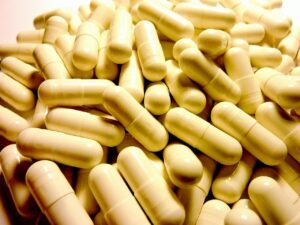
- Capsules/Tablets: Elderberry supplements in capsule or tablet form are convenient for daily intake. These standardized extracts ensure a consistent dosage, typically ranging from 300 to 600 mg per day.
- Liquid Extracts/Tinctures: Liquid elderberry extracts or tinctures can be added to water or other drinks. The recommended dosage for tinctures is usually 2 to 4 ml, taken 1 to 3 times daily.
- Powder: Elderberry powder can be mixed into smoothies, yogurt, or baked goods.
- Combination Supplements: Elderberry is often included in combination supplements with other immune-supporting herbs and nutrients, providing a synergistic effect.
Safe Elderberry Dosages
| Age Group | Dosage | Health Benefits | Side Effects | Research Sources |
| Children (2-12 years) | 175-600 mg/day (syrup or lozenges) | Supports immune function, may reduce cold duration | Gastrointestinal issues, potential allergic reactions | NCBIExamine Epocrates |
| Adolescents (13-17 years) | 600-900 mg/day (syrup, capsules, or lozenges) | Supports immune function, may reduce cold duration | Gastrointestinal issues, potential allergic reactions | NCBIExamine Drugs.com |
| Adults (18-64 years) | 600-1500 mg/day (syrup, capsules, or lozenges) | Supports immune function, may reduce cold duration | Gastrointestinal issues, potential allergic reactions | NCBINCBIExamine |
| Seniors (65+ years) | 600-900 mg/day (syrup, capsules, or lozenges) | Supports immune function, may reduce cold duration | Gastrointestinal issues, potential allergic reactions | NCBIExamine Drugs.com |
Elderberry Interactions with Drugs/Supplements

- Diuretics: Elderberry may enhance the effects of diuretics (water pills), potentially increasing the risk of dehydration. Common diuretics include:
- Hydrochlorothiazide
- Furosemide (Lasix)
- Bumetanide
- Diabetes Medications: Elderberry may lower blood sugar levels, increasing the risk of hypoglycemia when taken with diabetes medications. Close monitoring of blood sugar levels is recommended.
- Chemotherapy Drugs: Elderberry may interact with certain chemotherapy agents. Patients undergoing chemotherapy should consult their oncologist before using elderberry to avoid potential interference with treatment.
- Laxatives: Elderberry may have laxative effects and should not be taken simultaneously with other laxatives to avoid gastrointestinal discomfort.
- Theophylline: Elderberry may reduce the effectiveness of theophylline, a medication used for asthma and other respiratory conditions.
- Immunosuppressants: Elderberry may stimulate the immune system, potentially interfering with medications that suppress immune function, such as corticosteroids and drugs used to treat autoimmune diseases.
- CYP450 Interactions: Some studies suggest that elderberry may inhibit cytochrome P450 enzymes, particularly CYP3A4, which could affect the metabolism of various medications, including pazopanib, a multikinase inhibitor used in cancer treatment.
Frequently Asked Questions (FAQ)
Can elderberry help with weight loss?
Yes, scientific studies suggest that elderberry can aid in weight loss by improving carbohydrate oxidation and reducing fat accumulation. It can enhance metabolic rate and support weight management efforts.
Are there any risks to using elderberry if I’m on medication?
Yes, elderberry can interact with certain medications, including diuretics, diabetes medications, chemotherapy drugs, laxatives, theophylline, and immunosuppressants. Always consult with your healthcare provider before using elderberry if you are on medication.
How should elderberry be prepared for safe consumption?
Always cook fresh elderberries before consuming them to neutralize toxic compounds. Elderberry can be used in teas, jams, sauces, baked goods, and more. Follow proper preparation methods to ensure safety.
What is the best way to add elderberry to my diet?
You can add elderberry to your diet in several tasty ways. Fresh or frozen elderberries can be blended into smoothies for a nutritious boost. Make an elderberry vinaigrette to drizzle over salads for added flavor. Incorporate dried elderberries into baked goods like muffins. Brewing elderberry tea is another simple option. You can also make elderberry jam or sauce to use as a spread or dessert topping. You can also create elderberry frozen treats by blending the berries with other fruits and freezing them.
Can elderberry supplements be taken daily?
Yes, elderberry supplements can be taken daily, but it’s important to follow the recommended dosages on the product label or as advised by your healthcare provider.
Are there any side effects of taking elderberry?
Common side effects of elderberry include gastrointestinal symptoms such as nausea, vomiting, and diarrhea. These symptoms are usually mild and occur when raw elderberries are consumed. Always cook elderberries to prevent these side effects.



Leave a Reply