
Key Takeaways
- Gamma-aminobutyric acid (GABA) helps reduce stress and anxiety by calming the nervous system.
- It supports better sleep quality, especially for women facing menopause-related sleep issues.
- By promoting fat breakdown, GABA can aid in weight loss.
- It helps balance hormones like cortisol and supports overall hormone regulation during menopause.
- You can combine GABA supplements with dietary sources like fermented foods for added benefits.
Overview of GABA (Gamma-Aminobutyric Acid)
GABA – short for gamma-aminobutyric acid – is a natural chemical in the brain that blocks certain nerve signals, helping the body relax. This calming effect is especially helpful for reducing stress and anxiety, making it useful for women going through menopause.
GABA is produced in the brain, but you can also find it in certain foods or supplements.
Benefits of GABA (Gamma-Aminobutyric Acid)
- Calms You Down: Its calming effect on the nervous system helps lower stress and anxiety by inhibiting nerve activity – helpful for women who face heightened anxiety during menopause.
- Lets You Sleep Better: By calming the brain, it improves sleep quality and promotes more consistent sleep cycles, making it especially beneficial for women experiencing sleep disturbances during menopause.
- Balances Your Hormones: It helps regulate cortisol – the “stress hormone”. By reducing cortisol levels, GABA may indirectly support hormone balance, easing menopause symptoms like mood swings and stress.
Side Effects of GABA (Gamma-Aminobutyric Acid)
GABA is generally safe for most people, though some may experience mild side effects such as headaches, drowsiness, or an upset stomach. These effects are typically short-lived and resolve without intervention.

GABA (Gamma-Aminobutyric Acid) & Weight Loss
Reduces Fat Accumulation
It can help with weight loss by promoting fat breakdown while reducing fat storage. In studies using mice on high-fat diets, GABA decreased body weight gain and lowered the amount of fat stored in their bodies. It achieved this by activating pathways that support fat metabolism and energy expenditure, which can prevent excess weight gain.
Increases Energy Expenditure
GABA may also support weight loss by increasing how much energy your body burns. In the same study in mice, it showed it can stimulate fat browning – a process that turns white fat, which stores calories, into brown fat, which burns calories for heat. This helps boost metabolism and energy use, making it easier to manage weight even with a high-calorie diet.
Mimics Calorie Restriction
Taking GABA has effects similar to calorie restriction – a known strategy for promoting weight loss. In one study, a combination of GABA and another supplement mimicked the effects of cutting calories, reducing fat accumulation and improving insulin sensitivity in mice.
Lowers Obesity-Related Inflammation
Inflammation is often associated with obesity, and GABA may help lower it. GABA – particularly when combined with certain plant extracts – reduces inflammation in fat tissue and the liver. By lowering inflammation, GABA can help improve your body’s ability to manage weight and overall health.
GABA (Gamma-Aminobutyric Acid) & Blood Sugar Management
Improves Insulin Sensitivity
It plays a role in improving insulin sensitivity, which is key for keeping blood sugar levels stable. Studies show that GABA can enhance how effectively muscle cells use glucose by increasing the expression of GLUT4 a main glucose transporter. It also reduces glucose production in the liver, helping to prevent high blood sugar levels.
Regulates Blood Sugar
Research suggests that GABA can help regulate blood sugar levels by supporting insulin secretion. In a study with healthy volunteers, GABA increased insulin production without causing a significant change in blood glucose levels. This means it may help your body respond better to glucose without leading to harmful spikes in blood sugar.
Supports Glucose Metabolism
It can also improve glucose metabolism in people with insulin resistance. In a study on diabetic rats, GABA improved the liver’s ability to process glucose while reducing liver inflammation – suggesting that it can play a role in managing blood sugar and improving liver function for people with insulin resistance or diabetes.

GABA (Gamma-Aminobutyric Acid) & Hormone Balance
Regulates Stress Hormones
It plays a key role in balancing cortisol – commonly known as the “stress hormone”. By reducing cortisol levels, GABA helps manage the body’s stress response, which in turn supports overall hormone balance.
Influences Reproductive Hormones
GABA also plays a role in regulating reproductive hormones by influencing GnRH (gonadotropin-releasing hormone) neurons. These neurons control the release of hormones like estrogen and progesterone – essential for reproductive health. By modulating the activity of these neurons, GABA may help maintain reproductive hormone balance.
Impacts Hormone Levels During Menopause
Fluctuating hormone levels during menopause can affect GABA activity, which may explain some mood-related symptoms like anxiety and irritability. Research shows that changes in GABA levels during periods of hormonal flux – such as menopause – impact brain function, mood, and stress management. Its ability to stabilize these shifts can support women’s well-being during menopause.
Links To Sex Hormones
Studies show that sex hormones – including estrogen and testosterone – influence GABA levels in the brain. For example, hormone treatments, such as those used in gender-affirming therapies, can reduce GABA levels in specific brain regions, which may affect mood and stress regulation. The findings suggest that maintaining balanced GABA levels is important for both emotional and hormonal health.
GABA (Gamma-Aminobutyric Acid) & Menopause Management
Reduces Hot Flashes
It plays a role in managing hot flashes, one of the most common and uncomfortable symptoms of menopause. Research shows that GABAergic neurons in the hypothalamus – a part of the brain that regulates body temperature – help control these fluctuations, reducing the severity and frequency of hot flashes. By calming the neural circuits involved in temperature control, GABA may offer relief from this common menopause symptom.
Supports Emotional Well-Being
GABA helps manage mood changes that often accompany menopause. During perimenopause, declining GABA levels have been linked to depression and anxiety – Increasing GABA levels may help ease these mood-related symptoms by promoting relaxation and reducing stress.
Manages Stress
GABA is critical for controlling the body’s stress response, which often becomes heightened during menopause. It helps regulate cortisol – a hormone that spikes under stress and can contribute to anxiety, sleep issues, and even weight gain during menopause. By lowering cortisol levels, GABA supports better stress management, making it easier to cope with menopausal symptoms.
Improves Sleep Quality
Many women experience sleep disturbances during menopause, including insomnia and restless nights. GABA helps improve sleep by calming the brain and promoting more consistent sleep cycles. Better sleep can make a significant difference in how you manage other menopause symptoms like fatigue and irritability.

Adding GABA (Gamma-Aminobutyric Acid) to Your Diet
You can increase GABA levels naturally through your diet. Some GABA-rich foods to add to your meals include:
- Fermented foods like kimchi and miso
- Green tea
- Spinach
- Broccoli
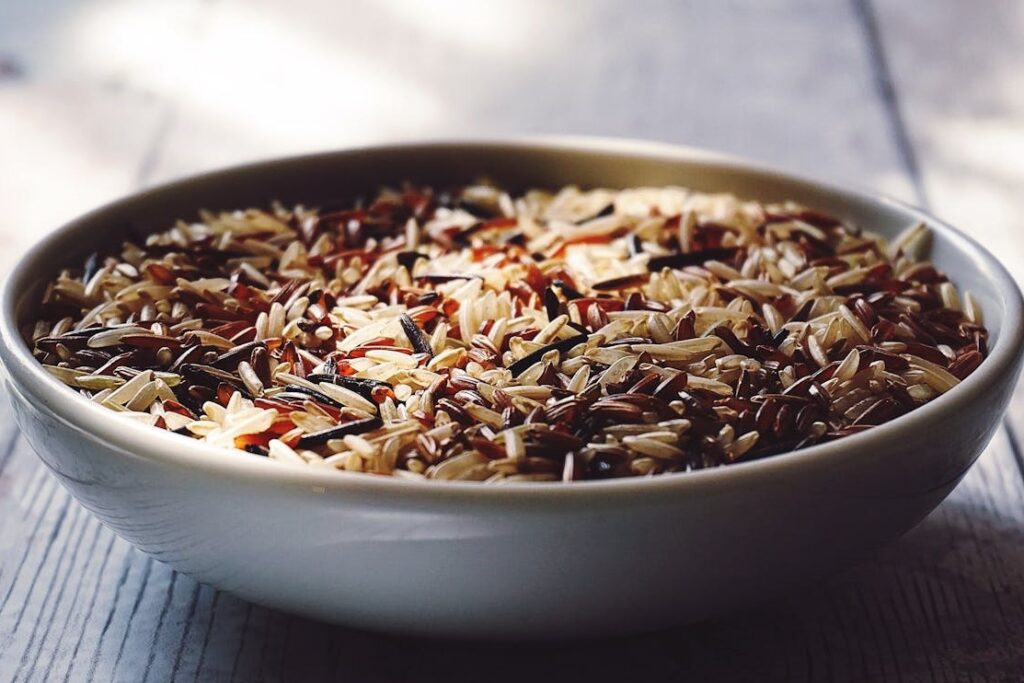
- Brown rice
Supplements
If dietary changes aren’t enough, supplements are available in capsules or powder form. Be sure to choose a reputable brand and follow the dosage instructions carefully. As always, consult a healthcare provider before starting any new supplement to ensure it’s right for you.
Safe GABA (Gamma-Aminobutyric Acid) Dosages
| Age Group | Dosage | Health Benefits | Side Effects | Research Sources |
| Children | Not recommended without medical supervision* | N/A | N/A | N/A |
| Adults | 100-300 mg per day | – Improved sleep quality- Reduced stress and anxiety- Potential weight loss benefits- May improve insulin sensitivity | – Abdominal pain- Headaches- Drowsiness (rare) | NCBI, Sleep Foundation, Frontiers |
| Older Adults | 100-300 mg per day | – Improved sleep quality- Reduced stress and anxiety- May alleviate menopausal symptoms in women | – Abdominal pain- Headaches- Drowsiness (rare) | NCBI, Sleep Foundation, Frontiers |
*Always consult a healthcare provider before starting any new supplement regimen, especially for children, pregnant/breastfeeding women, and those with medical conditions or taking medications.
GABA (Gamma-Aminobutyric Acid) Interactions with Drugs/Supplements
GABA may interact with certain medications, including anti-anxiety drugs, antidepressants, and sleep aids. If you’re taking these or other supplements like melatonin or valerian root, consult your doctor before adding gamma-aminobutyric acid to your routine.
Frequently Asked Questions (FAQ)
What Is GABA, And How Does It Help During Menopause?
GABA, a natural brain chemical, calms the nervous system and helps manage menopause symptoms like anxiety, stress, and hot flashes.
Can GABA Help With Weight Loss?
Yes, GABA promotes fat breakdown and increases energy expenditure, making it helpful for weight management.
How Does GABA Improve Sleep?
GABA calms brain activity, which promotes more consistent sleep cycles and helps improve sleep quality.
Are There Any Side Effects Of Taking GABA Supplements?
Common side effects include mild headaches, drowsiness, or an upset stomach, but these usually go away on their own.
Can GABA Interact With Medications Or Other Supplements?
Yes, GABA may interact with anti-anxiety medications, antidepressants, and sleep aids. Always consult your doctor before adding it to your routine.



Leave a Reply