
Key Takeaways
- Matcha is rich in antioxidants that protect cells and reduce oxidative stress.
- The combination of caffeine and L-theanine in matcha boosts brain function and enhances focus.
- Regular matcha consumption can improve heart health by lowering LDL cholesterol and triglycerides.
- It supports weight loss by boosting metabolism, fat burning, and reducing appetite.
- Excessive matcha intake, however, can lead to side effects like stomach issues and caffeine sensitivity.
What is Matcha Green Tea?
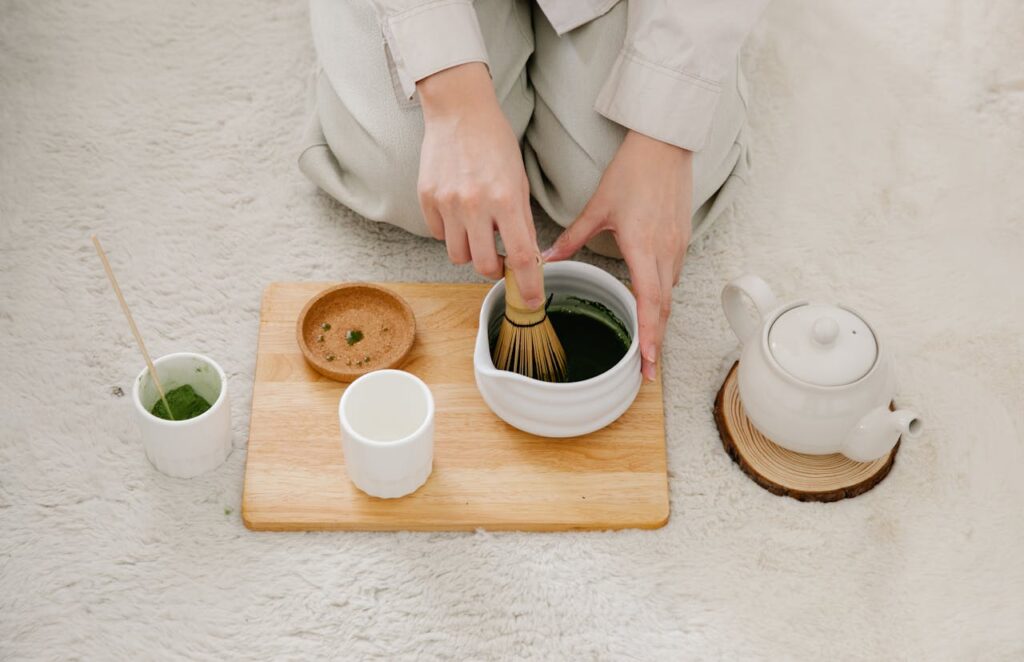
Matcha green tea is a finely ground powder made from specially grown and processed green tea leaves. Unlike regular green tea, where you steep and throw away the leaves, matcha involves consuming the entire leaf. This results in a higher concentration of nutrients and antioxidants.
Benefits of Matcha Green Tea
Rich in Antioxidants: Matcha is packed with antioxidants, particularly catechins, which help protect cells from damage. These potent antioxidants contribute to matcha’s ability to reduce oxidative stress and support overall health.
Boosts Brain Function: Its unique combination of caffeine and L-theanine improves brain function by boosting both alertness and relaxation. Studies indicate that these compounds can enhance memory, attention, and cognitive performance.
Improves Heart Health: Regular consumption of matcha has been linked to improved heart health by lowering LDL cholesterol and triglycerides—reducing the risk of heart disease.
Side Effects of Matcha Green Tea
Stomach Issues: Matcha contains tannins that can irritate your stomach, leading to reflux, nausea, or vomiting if consumed on an empty stomach. To avoid this, drink matcha after a meal. Additionally, the catechins in matcha can bind to iron, potentially leading to anemia if consumed in excess.
Caffeine Sensitivity: This powder has a higher caffeine content than other green teas, which can cause issues like insomnia, anxiety, or an upset stomach, especially if you’re sensitive to caffeine.
Liver Concerns: While it may benefit liver health in some cases, excessive consumption could lead to an increase in liver enzymes in healthy individuals.
Moderation is key with matcha. Most side effects only occur with excessive consumption.

Matcha Green Tea & Weight Loss
Enhanced Fat Oxidation: A 2024 study found that consuming matcha green tea drinks increased fat oxidation—the process of breaking down fat—during exercise. Specifically, participants who consumed matcha before a brisk walking session exhibited a lower respiratory exchange ratio, indicating a higher rate of fat utilization compared to the control group.
Suppresses Appetite: L-theanine in matcha helps regulate the hunger hormone ghrelin, which can reduce cravings and help you feel full longer. This makes it easier to stick to a healthy diet and avoid overeating.
Matcha Green Tea & Blood Sugar Management
Matcha can help regulate blood sugar levels, making it a good choice for those looking to manage their glucose naturally. Studies show that the catechins in matcha improve insulin sensitivity and lower blood sugar levels.
Better insulin sensitivity means your body can lower blood sugar more effectively, reducing the risk of developing diabetes. This powder’s antioxidants help reduce inflammation, supporting healthy blood sugar levels.
Matcha Green Tea & Hormone Balance
Stabilizes Mood Swings: It can help stabilize mood swings by lowering cortisol levels and promoting relaxation. This effect is primarily due to the presence of L-theanine, which has been shown to reduce stress and anxiety.
Supports Thyroid Function: The antioxidants in matcha also support thyroid health, which is important for maintaining energy levels and regulating metabolism.
Matcha Green Tea & Menopause Management
Reduces Hot Flashes: Its antioxidants may help regulate body temperature, potentially reducing the frequency and intensity of hot flashes. This makes it a beneficial addition to the diet of women going through menopause.
Improves Bone Health: It contains calcium and other minerals that support bone health, helping to reduce the risk of fractures during menopause.
Supports Cardiovascular Health: Menopause can increase the risk of heart disease, but matcha helps by lowering cholesterol and blood pressure. Its rich antioxidant content also protects against oxidative stress, which can damage the heart.

Adding Matcha Green Tea to Your Diet
Recipes
- Matcha Tea: Mix 1 teaspoon of matcha powder with hot water. Whisk until frothy.
- Matcha Latte: Mix 1 teaspoon of matcha with hot water, add steamed milk, and sweeten to taste.
- Matcha Smoothie: Blend 1 teaspoon of matcha powder with fruits, yogurt, and a splash of milk.
Desserts
You can also add matcha powder to muffins, cookies, pancakes or even ice-cream for a vibrant green color and health boost.
Safe Matcha Green Tea Dosages
| Age Group | Dosage | Health Benefits | Side Effects |
| Children | Consult with a pediatrician* | Provides antioxidants and nutrients for growth and development | Increased risk of side effects due to lower caffeine tolerance |
| Adults | 2-4 servings daily (1/2 to 1 teaspoon per serving) | Boosts metabolism and fat oxidation during exercise; regulates hunger hormones, reduces cravings, improves insulin sensitivity and lowers blood sugar levels, reduces inflammation and supports thyroid health, promotes relaxation and stabilizes mood swings, supports bone health with calcium and minerals | Upset stomach and digestive issues if consumed on an empty stomach; insomnia and jitteriness due to caffeine sensitivity; exposure to toxic elements like lead, arsenic, and fluoride if matcha is not organic and toxin-screened |
| Pregnant Women | Consult with an obstetrician* | Provides antioxidants and nutrients for a healthy pregnancy | Increased risk of side effects due to hormonal changes and lower caffeine tolerance |
| Caffeine-sensitive Adults | Consult with a doctor* | Provides antioxidants and nutrients with lower caffeine intake | Increased risk of side effects like insomnia, jitteriness, and digestive issues |
*Always consult with a healthcare provider before starting any new supplement regimen, especially for children, pregnant/breastfeeding women, and those with medical conditions or taking medications.
Matcha Green Tea Interactions with Drugs/Supplements
This powder may interact with blood thinners like warfarin and affect the absorption of certain medications. Always consult your doctor before adding it to your diet if you’re on medication.
Other Supplements: Be cautious when combining matcha with other sources of caffeine to avoid side effects like jitteriness.
Frequently Asked Questions (FAQ)
What Is Matcha Green Tea?
Matcha is a finely ground powder made from specially grown green tea leaves. Unlike regular green tea, you consume the whole leaf, which provides more nutrients and antioxidants.
How Does Matcha Help With Weight Loss?
Matcha boosts metabolism, enhances fat burning, and helps suppress appetite, making it easier to stick to a healthy diet.
Can Matcha Cause Side Effects?
Yes, consuming too much matcha can cause side effects like stomach irritation, caffeine-related issues like insomnia, and, in rare cases, liver concerns.
How Does Matcha Affect Blood Sugar Levels?
Matcha can help regulate blood sugar levels by improving insulin sensitivity, making it a good choice for those managing their glucose levels.
Is It Safe to Combine Matcha With Other Supplements?
Be cautious when combining matcha with other sources of caffeine, as it may cause side effects like jitteriness. Always consult a doctor if you’re on medication.



Leave a Reply