

Key Takeaways
- Meg Mathews began experiencing menopause symptoms around the age of 49, though she later realized she had been in perimenopause for several years prior.
- Meg advocates for a holistic approach to menopause, emphasizing the importance of a balanced diet, regular exercise, and self-care practices like mindfulness and meditation. She also highlights the value of building a strong support system.
- Having started Hormone Replacement Therapy (HRT) at 49, Meg has openly shared her positive experience in managing her symptoms.
- Meg recommends a personalized approach to supplementation, using vitamins and minerals such as Vitamin D, Omega-3 fatty acids, evening primrose oil, and black cohosh to help manage menopause symptoms. She advises consulting with a healthcare provider before starting any new supplements.
Who is Meg Mathews?
Meg Mathews, once a prominent figure in the music industry, has now become a dedicated advocate for menopausal women. Her own experiences with menopause led her to take on this cause, transforming her challenges into a mission to raise awareness and understanding.
Meg has used her public platform to speak out on menopause, becoming a leading voice in the movement to educate and support women during this life stage.
When Did Meg Mathews Start Her Menopause?
Meg Mathews began noticing menopausal changes in her late 40s, around the age of 49, but she later realized that she had been experiencing perimenopausal symptoms even earlier. Meg’s story highlights the importance of recognizing the early signs of menopause and understanding that symptoms can vary widely among women.
“We need to talk about the menopause as loudly and as much as we can because we have to get past the stigma and shame our society places on the menopause…we have to break the taboo.”
Meg mathews
She launched MegsMenopause—an online platform filled with menopause resources—in 2018 after personally facing severe symptoms that included anxiety, depression, and cognitive difficulties, which she later learned were linked to menopause.

What is Meg Mathews’ Menopause Lifestyle Advice?
Meg Mathews advocates for a holistic approach to managing menopause, focusing on the importance of diet, exercise, and mental health. She emphasizes proper nutrition, regular physical activity, and maintaining a healthy weight.
Meg also stresses the importance of self-care practices such as mindfulness, meditation, and yoga to manage stress and improve overall well-being. Additionally, she encourages women to build a strong support system, connecting with others who are going through similar experiences.
Has Meg Mathews Had HRT?
Yes, Mathews started taking HRT at age 49 and has been on it for 5 years.
In an interview with Telegraph, she wishes she had started at 45 due to the benefits it has provided—such as overcoming various symptoms like brain fog, low libido, weight gain, hot flashes, and vaginal dryness.
She initially tried HRT in gel form that she rubbed on her thigh, but found the patches didn’t stick well. She now uses a spray that absorbs quickly.
What Supplements Did Meg Mathews Take for Her Menopause?
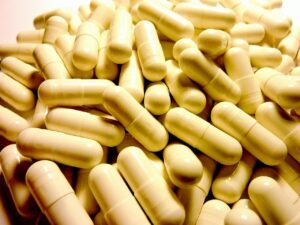
Some of the supplements she has found helpful include Vitamin D for bone health, Omega-3 fatty acids for heart health, and evening primrose oil and black cohosh for managing symptoms. Meg advises consulting with a healthcare provider to ensure that any supplements taken are safe and appropriate for your specific situation.
Meg’s Lessons on Menopause
Meg Mathews’s journey through menopause offers valuable lessons for women facing this stage of life. Her emphasis on self-care, building a support network, considering treatments like HRT, and using supplements wisely provides a roadmap for handling menopause with confidence and empowerment.
Frequently Asked Questions (FAQ)
Meg Mathews started experiencing menopause symptoms around the age of 49.
Meg advises regular exercise, a balanced diet, and open conversations about menopause for effective management.
Yes, Meg Mathews has openly discussed using Hormone Replacement Therapy to alleviate her menopause symptoms.
Meg recommends supplements like Vitamin D, Omega-3 fatty acids, and evening primrose oil to help manage menopause symptoms.


Leave a Reply