
Key Takeaways
- Consuming papaya leaf in various forms, such as teas and extracts, can provide health benefits like boosting immunity and improving digestion.
- Research shows that papaya leaf contains compounds that protect insulin-producing cells and support blood sugar management.
- While generally safe, papaya leaf may cause allergic reactions or gastrointestinal discomfort in some individuals.
- Consult with a healthcare provider before adding papaya leaf to your diet, especially if you are on medication or have existing health conditions.
Nutritional Profile
Papaya leaf comes from the papaya tree, which is widely cultivated in tropical regions. The leaves are known for their medicinal properties and have been used in traditional medicine for centuries.
Papaya leaves contain vitamins A, C, and E, as well as minerals like calcium, magnesium, and potassium. Additionally, papaya leaves are packed with antioxidants, flavonoids, and enzymes such as papain, which aid in digestion.
Benefits of Papaya Leaf
- Immune System Support: Papaya leaves are rich in vitamins A, C, and E, which can strengthen the immune system and protect against infections.
- Increases Platelet Count: One of the most notable uses of papaya leaf is in treating dengue fever. Studies indicate that papaya leaf extract can significantly increase platelet counts in patients suffering from this illness.
- Digestive Health: The leaves contain papain, an enzyme that aids in protein digestion, to help with issues like bloating and constipation. They are also high in fiber, which supports overall digestive function.
- Anti-inflammatory Properties: Papaya leaves possess anti-inflammatory compounds that may reduce inflammation and pain associated with conditions like arthritis and asthma.
- Detoxification: The leaves are known for their detoxifying properties, which can aid in cleansing the liver and improving its function.
- Skin Health: The antioxidants in papaya leaves can help improve skin conditions, reduce acne, and promote a clearer complexion. They may also be used topically to minimize scars and promote wound healing.
- Hair Growth and Scalp Health: Although evidence is limited, papaya leaves are thought to support hair growth and improve scalp health.
- Menstrual Pain Relief: Papaya leaf tea is sometimes used to ease menstrual cramps and discomfort due to its analgesic and muscle-relaxing effects.
Side Effects of Papaya Leaf
- Gastrointestinal Issues: The most frequently reported side effects include nausea, vomiting, and stomach irritation. These gastrointestinal issues may occur when papaya leaf is consumed in large quantities or concentrated forms.
- Allergic Reactions: Some individuals may experience allergic reactions, which can manifest as skin rashes or itching. This is particularly relevant for those with latex allergies, as papaya contains compounds similar to latex.
- Esophageal Irritation: In rare cases, excessive consumption of papaya leaf or its extracts can lead to irritation or ulcers in the esophagus.
- Pregnancy and Breastfeeding Precautions: Pregnant women are advised to avoid papaya leaf due to potential risks, as some components may affect fetal development. The safety of papaya leaf during breastfeeding is not well established.
Papaya Leaf & Weight Loss

One study investigated the weight loss effects of aqueous extracts from papaya leaves on mice induced with obesity through a high-calorie diet. The findings suggest that the extract significantly reduced body weight and fat accumulation in the treated group compared to the control group. Thus, the research highlights the potential of papaya leaf extract as a natural remedy for obesity management.
Papaya Leaf & Blood Sugar Management
Ethanol Extract of Papaya Leaves in Diabetic Mice
A study evaluated the antidiabetic effects of the ethanol extract of papaya leaves in diabetic mice. Over a 14-day period, the extract was administered at various doses (100, 500, 1000, and 3000 mg/kg).
Results indicated a significant reduction in blood sugar levels, particularly at the 1000 mg/kg dosage. The mechanism behind this effect was attributed to the presence of bioactive compounds such as saponins, flavonoids, and alkaloids.
Antioxidant Properties and Blood Sugar Control
Papaya leaves contain antioxidants and other beneficial compounds that may protect insulin-producing cells in the pancreas from damage. Animal studies have shown that these leaves can help lower blood sugar levels, but more research is needed to confirm these effects in humans.
Papaya Leaf & Hormone Balance
Papaya Leaf Juice and Prolactin Levels
Another study focused on the effects of papaya leaf juice on breastfeeding mothers. It aimed to determine whether consuming papaya leaf juice could increase levels of prolactin – a hormone crucial for milk production. The study involved working mothers who were given papaya leaf juice for a week. Results indicated that the juice helped increase prolactin levels to increase milk supply for breastfeeding.
Impact on Hormonal Balance in General
While specific studies on papaya leaves and overall hormonal balance are limited, the presence of compounds like quercetin suggests that papaya leaves may help regulate hormones in various ways. By acting like estrogen, they could assist in maintaining hormonal balance during periods of hormonal fluctuation, such as menopause or postpartum recovery. However, more research is needed to fully understand these effects.
Papaya Leaf & Menopause Management

Estrogenic Effects of Papaya Leaf Extract
One study investigated the estrogenic effects of papaya leaf extract in relation to menopause. The researchers found that the flavonoid quercetin in papaya leaves can mimic estrogen, which is important for women experiencing low estrogen levels during menopause.
In tests with female rats, those given papaya leaf extract showed an increase in mammary gland development and uterine weight, similar to the effects of estrogen.
Therapeutic Applications of Papaya Leaf
Another review highlighted the various health benefits of papaya leaf, including its potential role in managing menopause. The leaf contains several active compounds, such as flavonoids and alkaloids, which may contribute to its medicinal properties.
Adding Papaya Leaf to Your Diet
Ways to Add Papaya Leaf to Diet
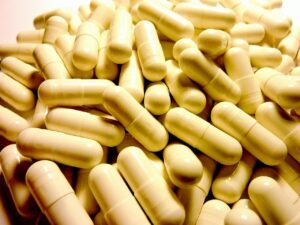
- Supplement with Papaya Leaf Extract: Papaya leaf extracts are available in the form of capsules, tablets, or tinctures. These concentrated extracts provide a convenient way to consume the beneficial compounds found in papaya leaves.
- Add Papaya Leaves to Smoothies: Fresh or dried papaya leaves can be added to fruit smoothies for an extra nutrient boost. The leaves have a slightly bitter taste that can be masked by other ingredients.
- Add Them to Herbal Teas: Papaya leaves can be combined with other herbs and spices to create unique tea blends. For example, papaya leaf tea can be mixed with ginger, turmeric, or lemongrass.
- Use Papaya Leaf Powder in Cooking: Papaya leaf powder can be sprinkled onto foods like salads, soups, or stir-fries. It can also be added to baked goods like breads, muffins, or cookies.
Safe Papaya Leaf Dosages
| Age Group | Dosage | Health Benefits | Potential Side Effects |
| Adults | 2.5-150 ml papaya leaf juice per day | – Increases platelet count in dengue fever- May improve digestive health- Potential anti-inflammatory effects | – Gastrointestinal disturbances- Allergic reactions- Potential liver enzyme abnormalities |
| 5-2000 mg/kg body weight of ethanolic extract | – Generally safe for short-term use | – Rare cases of liver toxicity with long-term use | |
| Children (1-12 years) | 0.01-2 g/kg body weight of aqueous extract | – Increases platelet count in dengue fever | – Gastrointestinal side effects- Safety data limited in children |
| Pregnant women | Not recommended | – Safety not well established | – Potential risks to fetal development |
| Breastfeeding women | Not recommended | – Safety not well established | – Potential risks to the infant |
Best Practices
Get the most out of papaya leaves by following these best practices:
- Start with a lower dosage and gradually increase it to monitor your body’s response.
- Consume papaya leaf consistently for the best results.
- Store papaya leaf products in a cool and dry place to maintain their potency.
Who Should Avoid
- Individuals with a known allergy to papaya or latex
- Pregnant or breastfeeding women (consult a healthcare provider first)
- People with gastrointestinal issues, as papaya leaf may cause discomfort
Papaya Leaf Interactions with Drugs or Supplements
Common Drug Interactions
Papaya leaf may interact with certain medications, including:
- Blood Thinners: Papaya leaf may increase the risk of bleeding.
- Diabetes Medications: Papaya leaf can lower blood sugar levels, so monitor your levels closely.
- Anticoagulants: Papaya leaf may enhance the effects of these medications and lead to some side effects.
Potential Supplement Interactions
Papaya leaf may also interact with other supplements, such as:
- Vitamin K: Papaya leaf may interfere with the absorption of vitamin K.
- Herbal Supplements: Combining papaya leaf with other herbal supplements may increase the risk of side effects.
Consulting Health Professionals
Before adding papaya leaf to your diet, it’s essential to consult with a healthcare provider, especially if you are taking medications or have existing health conditions. They can provide personalized advice so that papaya leaves are safe for you to use.
Frequently Asked Questions (FAQs)
What are the best ways to consume papaya leaf?
- Juice: Fresh papaya leaves can be blended with water to make juice.
- Tea: Dried papaya leaves can be steeped in hot water to make herbal tea.
- Extracts and Supplements: Available in capsule or liquid form.
- Powder: Dried leaves can be ground into powder and added to smoothies or foods.
Are there any long-term side effects?
Most people can consume papaya leaves without experiencing long-term side effects. However, some individuals may experience allergic reactions or gastrointestinal discomfort. It’s essential to monitor your body’s response and adjust the consumption accordingly.
What are the potential health benefits of papaya leaf?
- Increasing platelet counts in patients with dengue fever.
- Supporting digestive health by reducing bloating and aiding digestion.
- Potentially lowering blood sugar levels and improving insulin sensitivity.
- Exhibiting anti-inflammatory properties.
- Promoting hair growth and improving skin health.
How does the papaya leaf compare to the fruit?
- The papaya fruit is rich in vitamins A, C, and K, as well as the enzyme papain.
- Papaya leaves are a good source of vitamins A, B, C, E, and K, plus minerals like calcium, magnesium, and iron.
- Both the fruit and leaves have antioxidant and anti-inflammatory properties.



Leave a Reply