
Key Takeaways
- Pregnenolone supports hormone balance by converting into estrogen, progesterone, and testosterone.
- Higher pregnenolone levels are linked to improved insulin sensitivity and lower diabetes risk.
- Pregnenolone can aid hormonal health and ease menopause symptoms like hot flashes and mood swings.
What is Pregnenolone?
Pregnenolone is a hormone made from your cholesterol. It’s a building block for other hormones like progesterone, DHEA, and estrogen. Your brain and adrenal glands produce pregnenolone naturally, but levels may decline as you age.

Benefits of Pregnenolone
- It can boost energy levels and lift your mood.
- Research suggests it supports memory and brain function, particularly in older adults.
- It reduces stress by balancing cortisol—your body’s stress hormone—helping to prevent fatigue and high blood pressure.
Side Effects of Pregnenolone
Although many benefit from pregnenolone, it can cause side effects in some people. These side effects include headaches, insomnia, irritability, acne, and hair loss. Consult a doctor if you experience severe side effects, have hormone-related health issues, are pregnant or breastfeeding, or take other medications.
Pregnenolone & Weight Loss
Weight Regulation
Pregnenolone acts as a precursor to various hormones—including cortisol, which plays a role in stress and fat storage. By helping balance cortisol levels, pregnenolone can prevent stress-induced fat accumulation, particularly around the abdomen.
Impact on Fat Accumulation
A study investigating how pregnenolone affects body composition found that higher baseline levels of pregnenolone sulfate were associated with lower fat accumulation, even in individuals consuming excess calories. This suggests pregnenolone may help regulate fat storage, making it easier to manage weight.
Metabolism & Body Energy
While pregnenolone’s effects on metabolism are not fully understood, its role in regulating hormones like DHEA and progesterone—which influence metabolic functions—suggests it may have indirect benefits for managing energy balance and preventing weight gain.
Pregnenolone & Blood Sugar Management
Improves Insulin Sensitivity
Research shows that higher pregnenolone levels may be linked to improved insulin sensitivity. Insulin sensitivity is how effectively your body uses insulin to lower blood sugar. When insulin sensitivity is high, the body can regulate blood sugar more effectively, reducing the risk of type 2 diabetes.
Reduced Risk of Diabetes
In the same research, conducted in a rural Chinese population, individuals with higher levels of pregnenolone showed a lower risk of developing diabetes. This suggests pregnenolone can play a role in maintaining healthy blood sugar levels and preventing diabetes in at-risk populations.

Pregnenolone & Hormone Balance
Supports Hormonal Health
Pregnenolone serves as a building block for many hormones, helping your body produce the right amounts when needed. By converting into estrogen, progesterone, and testosterone, pregnenolone helps stabilize the body’s hormone levels and contributes to good reproductive health, mood regulation, and proper metabolism.
Impact on Cortisol & Stress
One of pregnenolone’s most significant roles is balancing cortisol—your body’s primary stress hormone. Cortisol levels spike during stressful situations, but when this level remains elevated, it can lead to problems like anxiety, weight gain, and high blood pressure. This supplement helps keep cortisol levels in check, which may help reduce stress and its negative effects.
Hormonal Balance & Age-Related Declines
As you age, your hormone levels naturally decline, leading to symptoms like fatigue, weight gain, and mood swings. Pregnenolone is converted into hormones like estrogen and progesterone during times of hormonal changes, like menopause.
Neurosteroids & Stress-Related Disorders
In addition to balancing hormone levels, pregnenolone is also classified as a neurosteroid, meaning it has a direct effect on the brain. Studies show that pregnenolone can help manage stress and drug abuse-related disorders by modulating brain activity. Its ability to balance neurosteroids like progesterone and allopregnanolone further supports stress reduction and mental health.
Pregnenolone & Menopause Management
Balances Estrogen & Progesterone
As women enter menopause, their bodies produce less estrogen and progesterone. This hormonal imbalance can trigger a range of symptoms, from hot flashes to emotional instability. Pregnenolone plays a key role in managing these symptoms by supporting the production of both estrogen and progesterone.
Reduces Menopausal Symptoms
Its ability to convert into estrogen and progesterone means pregnenolone can help reduce common menopausal symptoms like night sweats, hot flashes, and mood swings. Studies suggest that by maintaining hormonal balance, pregnenolone can significantly improve the quality of life for women going through menopause.
Manages Emotional & Physical Changes
Menopausal symptoms are not just physical—they can also affect emotional well-being. Pregnenolone’s role as a neurosteroid means it can help regulate mood and anxiety, which often fluctuate during menopause. By balancing hormones that affect the brain, pregnenolone supports both mental and physical health during this transitional period.
Adding Pregnenolone to Your Diet
Pregnenolone is made from cholesterol, so eating cholesterol-rich foods in moderation can support its synthesis. Other nutrients like Vitamin B5 (pantothenic acid) and magnesium also play a role in hormone production.
To support pregnenolone production, include these nutrient-rich foods in your diet:
- Eggs — high in cholesterol and essential nutrients.
- Lean meats — rich in protein and vitamins like B5.
- Fish — a good source of healthy fats and essential nutrients.
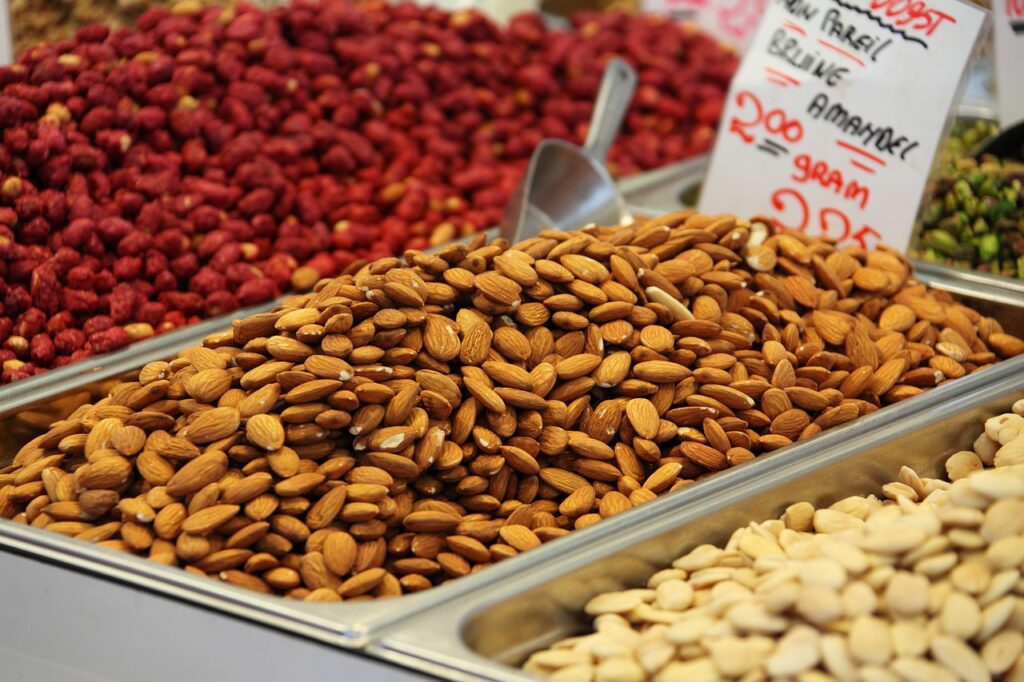
- Nuts and seeds — contain magnesium and healthy fats.
- Leafy greens — packed with magnesium and other key vitamins.
- Whole grains — rich in Vitamin B5 and fiber.
Supplements
When supplementing pregnenolone, choose high-quality, third-party-tested products to ensure safety and efficacy. Supplements are available in different forms, including capsules, tablets, and creams.
Safe Pregnenolone Dosages
| Age Group | Dosage | Health Benefits | Side Effects | Research Sources |
| Adolescents(11-17 years) | 10-50 mg daily | May improve mood, cognitive function, and energy levels | Acne, agitation, hair loss, skin rashes | WebMD, PeaceHealth |
| Adults(18-65 years) | 25-100 mg daily | Supports hormonal balance, alleviates menopause symptoms, enhances memory and mood | Irritability, anxiety, insomnia, headaches | RxList, Dr.Axe |
| Older Adults (65+ years) | 25-100 mg daily | May help with cognitive decline and mood stabilization | Drowsiness, mood swings, increased fatigue | Dr.Axe, PeaceHealth |
| Postmenopausal Women | 30-50 mg daily | Reduces hot flashes, improves sleep quality, supports hormonal balance | Weight gain, irregular menstrual cycles | Levitas Clinic,Compounding |
Pregnenolone Interactions with Drugs/Supplements
Pregnenolone can interact with hormone replacement therapy (HRT), antidepressants, and antiepileptic drugs. It can also interact with other hormone-related supplements like DHEA, progesterone, and estrogen.
Frequently Asked Questions (FAQ)
What Does Pregnenolone Do in the Body?
Pregnenolone acts as a precursor to essential hormones like estrogen, progesterone, and cortisol, supporting hormone balance.
How Can Pregnenolone Help with Menopause?
Pregnenolone helps balance estrogen and progesterone levels, reducing symptoms like hot flashes and mood swings.
Does Pregnenolone Affect Blood Sugar Levels?
Yes, higher pregnenolone levels have been linked to improved insulin sensitivity and a reduced risk of diabetes.
Are There Any Side Effects of Taking Pregnenolone?
Common side effects include headaches, insomnia, irritability, acne, and hair loss. Consult a doctor before supplementing with pregnenolone.
How Should Pregnenolone Supplements Be Taken?
Pregnenolone is available as capsules, tablets, and creams.



Leave a Reply