
Key Takeaways
- Rhodiola Rosea is an adaptogenic herb traditionally used to combat stress and fatigue.
- Its active compounds—rosavin and salidroside—contribute to several health benefits.
- Research indicates Rhodiola Rosea can help overcome menopausal symptoms, including emotional and physical discomfort.
- Besides menopause relief, Rhodiola Rosea supports weight loss by strengthening metabolism and improving muscle function.
What is Rhodiola Rosea?
Rhodiola Rosea is a hardy plant that thrives in the cold, mountainous regions of Europe and Asia. For centuries, it has been used in traditional medicine in Russia and Scandinavia to improve physical endurance, reduce fatigue, and combat the effects of stress.
Rhodiola root contains over 140 active compounds, with the notable ones—rosavin and salidroside—contributing to several health benefits.
Benefits of Rhodiola Rosea
- Stress Reduction: Rhodiola is well-researched for its adaptogenic properties and helps the body adapt to stress. It may boost resilience to physical and psychological stressors and reduce symptoms of burnout.
- Alleviating Fatigue: Studies have shown that Rhodiola can significantly reduce fatigue. In one study, participants reported improvements in stress symptoms, fatigue, and quality of life after taking Rhodiola for eight weeks.
- Improved Cognitive Function: Rhodiola may improve cognitive performance under stress. Research suggests it can increase concentration and mental clarity and it’s a popular choice among people looking to boost their mental performance.
- Mood Improvement: There is evidence that Rhodiola can help alleviate symptoms of anxiety and mild to moderate depression. Some studies indicate it may be as effective as certain antidepressants but with fewer side effects.
- Increased Physical Performance: Rhodiola has been linked to improved physical performance. Some studies suggest that it can boost stamina and reduce perceived exertion during exercise.
- Antioxidant Properties: The herb contains antioxidants, which may help combat oxidative stress and inflammation in the body. This could contribute to its overall health benefits and potential anti-aging effects.
- Potential Anticancer Properties: While more research is needed, some preliminary studies suggest that Rhodiola may have protective effects against certain types of cancer.
Side Effects of Rhodiola Rosea
- Sleep Disturbances: In some cases, Rhodiola may cause insomnia or difficulty sleeping, especially if taken in the evening.
- Restlessness or Irritability: Some individuals may experience increased restlessness, irritability, or overstimulation when taking Rhodiola.
- Digestive Issues: Rarely, Rhodiola may cause gastrointestinal discomfort, nausea, or diarrhea.
- Allergic Reactions: Although uncommon, some people may be allergic to Rhodiola. Symptoms of an allergic reaction may include skin rash, itching, swelling, or difficulty breathing.
Precautionary Measures
Start with a low dose and gradually increase it to avoid potential side effects. Consulting a healthcare provider before starting Rhodiola is also recommended, especially for individuals with underlying health conditions or those taking other medications.
| My Favorite Menopause Weight Loss Supplements I have compared the 4 top all-in-one weight loss supplements that contain ingredients that help with healthy menopause weight management. Check out my top recommendation here |
Rhodiola Rosea & Weight Loss
Mechanisms of Weight Loss
Research indicates that Rhodiola may aid weight loss by influencing biological processes involved in fat breakdown and energy metabolism. It is suggested that Rhodiola inhibits lipase – an enzyme that helps the body absorb and store fat. This action could lead to reduced fat accumulation in the body, particularly visceral fat which is linked to various health issues.
Stress and Cortisol Levels
Rhodiola’s adaptogenic properties may help manage stress and lower cortisol levels. High cortisol, often associated with chronic stress, can lead to increased fat storage, especially around the abdomen. By reducing cortisol levels, Rhodiola may help prevent this excess fat accumulation.
Energy and Exercise
Rhodiola has energy-boosting effects that increase physical performance and endurance. This can be beneficial for individuals engaging in regular exercise as part of their weight loss efforts. Increased energy levels may lead to more consistent workouts, resulting in loss of weight.
Rhodiola Rosea & Blood Sugar Management

Study on Mice and Blood Sugar
A study investigated how Rhodiola affects blood sugar levels in mice with type 2 diabetes. Researchers found that mice given Rhodiola extract had lower fasting blood sugar levels compared to those that received a placebo. The study suggested that Rhodiola might help improve the way the body responds to insulin, which is important for managing blood sugar levels.
Impact on Gut Health
The same study highlighted that Rhodiola may improve the integrity of the gut barrier. A healthy gut barrier helps prevent harmful substances from entering the bloodstream, which can contribute to inflammation and insulin resistance. By improving gut health, Rhodiola could help manage blood sugar levels more effectively.
Rhodiola Rosea & Hormone Balance

Mood and Neurotransmitter Balance
Rhodiola may influence neurotransmitters that play a significant role in mood regulation. Studies suggest that Rhodiola can help balance neurotransmitters like serotonin and dopamine, which are linked to mood and emotional health. This balancing effect may contribute to relief from anxiety and depression.
Effects on Thyroid Hormones
There is limited evidence suggesting that Rhodiola may support thyroid function, which regulates metabolism and energy levels. Some studies indicate it might help improve thyroid hormone levels, but further research is necessary to confirm these findings and understand the mechanisms involved.
Rhodiola Rosea & Menopause Management
Rhodiola as a Selective Estrogen Receptor Modulator (SERM)
Rhodiola is being studied for its potential as a natural selective estrogen receptor modulator (SERM). This means it could mimic some effects of estrogen in the body without the risks associated with synthetic hormones.
Research suggests that Rhodiola may help overcome menopause-related symptoms such as fatigue, mood swings, cognitive decline, and cardiovascular issues caused by the decline in estrogen levels during menopause.
Cardiovascular and Bone Health
Rhodiola may also provide cardiovascular protection and support bone health, which are crucial for menopausal women at increased risk of heart disease and osteoporosis. The herb’s ability to improve endothelial function (the lining of blood vessels) and reduce inflammation could contribute to better heart health during menopause.
Adding Rhodiola Rosea to Your Diet
Ways to Add Rhodiola Rosea to Your Diet
- Smoothies: Add a teaspoon of Rhodiola powder to your morning smoothie for an energy boost.
- Tea: Brew Rhodiola tea by steeping the dried root in hot water for 10-15 minutes. You can improve the flavor by adding honey or lemon.
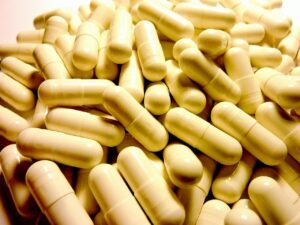
- Capsules: Take Rhodiola in capsule form as directed on the product label, typically on an empty stomach for better absorption.
- Energy Bars: Add Rhodiola powder into homemade energy bars or snacks for a convenient way to consume it.
- Soups and Broths: Add powdered Rhodiola to soups or broths for a nutritional boost.
Considerations
- Dosage: Typical dosages range from 100 to 600 mg per day, depending on the form and concentration of the extract. It’s best to follow the manufacturer’s recommendations and consult a healthcare provider.
- Timing: Avoid taking Rhodiola before bedtime as it may have stimulating effects. Morning or early afternoon is usually recommended.
Safe Rhodiola Rosea Dosages
| Age Group | Dosage (mg/day) | Health Benefits | Side Effects |
| Adults | 200 – 600 | Reduces stress, improves mood, enhances cognitive function, increases energy | Insomnia, irritability, digestive issues |
| Adults (specific study) | 200 (twice daily) | Alleviates stress symptoms | Generally well-tolerated |
| Older Adults | 100 – 300 | Supports mental health, reduces fatigue | Similar to adults |
| Children | Not recommended | N/A | N/A |
Rhodiola Rosea Interactions with Drugs or Supplements
Potential Drug Interactions
Rhodiola Rosea can interact with certain medications, including:
- Antidepressants: Rhodiola may increase the effects of antidepressants and have adverse side effects.
- Blood Pressure Medications: It can affect blood pressure, so consult your doctor if you are on these medications.
- Diabetes Medications: Rhodiola may lower blood sugar levels, which could interact with diabetes medications.
Combining with Other Supplements
Rhodiola can be safely combined with other supplements, but you must consider potential interactions. For instance, combining it with other adaptogens like Ashwagandha can increase its stress-reducing effects. Always consult a healthcare provider before combining supplements.
Frequently Asked Questions (FAQs)
Can Rhodiola help with chronic fatigue?
Yes, Rhodiola can reduce fatigue and improve energy levels. Its adaptogenic properties help the body manage stress, which can contribute to chronic fatigue. Several studies have shown that Rhodiola can significantly reduce symptoms of fatigue and improve overall energy levels.
Is Rhodiola safe for long-term use?
Rhodiola is generally considered safe for long-term use. However, it’s advisable to take breaks periodically to prevent your body from becoming too accustomed to it. A common practice is to take Rhodiola for 6-8 weeks, followed by a 1-2 week break.
How quickly does Rhodiola work?
Rhodiola can start working within a few days to a week of consistent use. However, its full benefits are typically observed after several weeks of regular use. For managing stress and improving energy levels, some people may notice improvements within a few days, while others may take longer.
What are the main active compounds in Rhodiola?
- Rosavins (rosavin, rosin, rosarin)
- Salidroside
- Tyrosol
- Flavonoids
- Monoterpenes
- Triterpenes
- Phenolic acids
How should I take Rhodiola?
Rhodiola is commonly available in several forms, including capsules, tablets, powders, and teas. The recommended dosage typically ranges from 200 to 600 mg per day, depending on the concentration of active compounds. It is best taken on an empty stomach, but not before bedtime, because of its mildly stimulating effects. Always follow the manufacturer’s instructions and consult a healthcare provider for personalized advice.



Leave a Reply