
Key Takeaways
- Vitamin B2, aka. riboflavin, supports energy production by converting food into usable energy.
- It helps regulate hormone balance, especially during menopause, improving energy and mood stability.
- Adequate Vitamin B2 intake can reduce mood swings and psychological distress during menopause.
- Riboflavin-rich foods include dairy, lean meats, leafy greens, fortified cereals, and eggs.
- High doses of riboflavin are generally safe but may cause yellow urine or mild nausea.
What is Vitamin B2 Riboflavin?
Vitamin B2, also called riboflavin, is a water-soluble vitamin vital for energy production. It helps convert carbohydrates into ATP—the fuel your body uses. It also works with other B vitamins, like B6 and niacin, to support overall health.

Benefits of Vitamin B2 Riboflavin
- Energy Production: Riboflavin helps your body turn food into energy. It works behind the scenes as a cofactor—basically, a helper—for enzymes that convert the carbs, fats, and proteins you eat into ATP. This process is key to keeping your metabolism and cells functioning smoothly, especially in your mitochondria.
- Antioxidant Support: It protects your cells from oxidative stress—the kind of damage caused by free radicals that can age your cells faster.
- Cellular Health: Riboflavin supports cell growth and repair, ensuring that tissues in your body—such as the skin, digestive system, and nervous system—remain healthy. Healthy cells mean healthy tissues, so it really supports your overall well-being.
Side Effects of Vitamin B2 Riboflavin
Riboflavin is generally safe, especially in the amounts commonly found in foods. However, taking it in excessive amounts—such as in high-dose supplements—may cause minor side effects, such as the following:
- Yellow or orange urine (a harmless side effect caused by the body excreting excess riboflavin)
- Nausea
- Increased urination
Serious Side Effects: While rare, some people may experience allergic reactions such as itching or difficulty breathing.

Vitamin B2 Riboflavin & Weight Loss
During menopause, hormonal changes can slow down your metabolism, making it harder to maintain or lose weight. Riboflavin plays a key role in metabolism—helping your body break down proteins, fats, and carbs efficiently. It boosts your metabolic rate and promotes fat burning.
Vitamin B2 Riboflavin & Blood Sugar Management
Riboflavin keeps your blood sugar in check. When your body doesn’t get enough riboflavin, it can lead to inflammation in fat cells, which makes it harder to manage insulin. Adequate riboflavin levels help improve glucose uptake and may lower the risk of developing insulin resistance or metabolic syndrome.
Vitamin B2 Riboflavin & Hormone Balance
Riboflavin is important for regulating hormones, especially estrogen. Research shows that estrogen levels affect how the body gets and uses riboflavin. So, changes in estrogen, like those that happen during menopause, can impact how well the body uses riboflavin.
Additionally, it plays a key role in thyroid function, which helps regulate metabolism—crucial during menopause when hormonal shifts can slow your metabolism.
Vitamin B2 Riboflavin & Menopause Management
Riboflavin can help manage common menopause symptoms by supporting hormone balance, mood stability, and energy levels.
Research suggests that it may affect estrogen levels. Higher intake has been linked to lower estradiol levels in premenopausal women, which suggests it can play a role in hormone regulation. It also supports thyroid health, which is important for maintaining energy and mood stability.
Riboflavin intake has been linked to a reduction in mood swings and psychological distress, making it a valuable nutrient for women experiencing emotional changes during menopause.
Adding Vitamin B2 Riboflavin to Your Diet
Vitamin B2 riboflavin helps convert food into energy, supports hormone balance, and keeps your cells healthy. The best part? Many common, everyday foods are excellent sources of riboflavin.
Foods Rich in Riboflavin
- Dairy products: Milk, cheese, and yogurt are packed with riboflavin and are easy to add to meals or snacks.
- Lean meats: Chicken, turkey, and beef are great sources of riboflavin and provide essential protein for muscle and tissue repair.
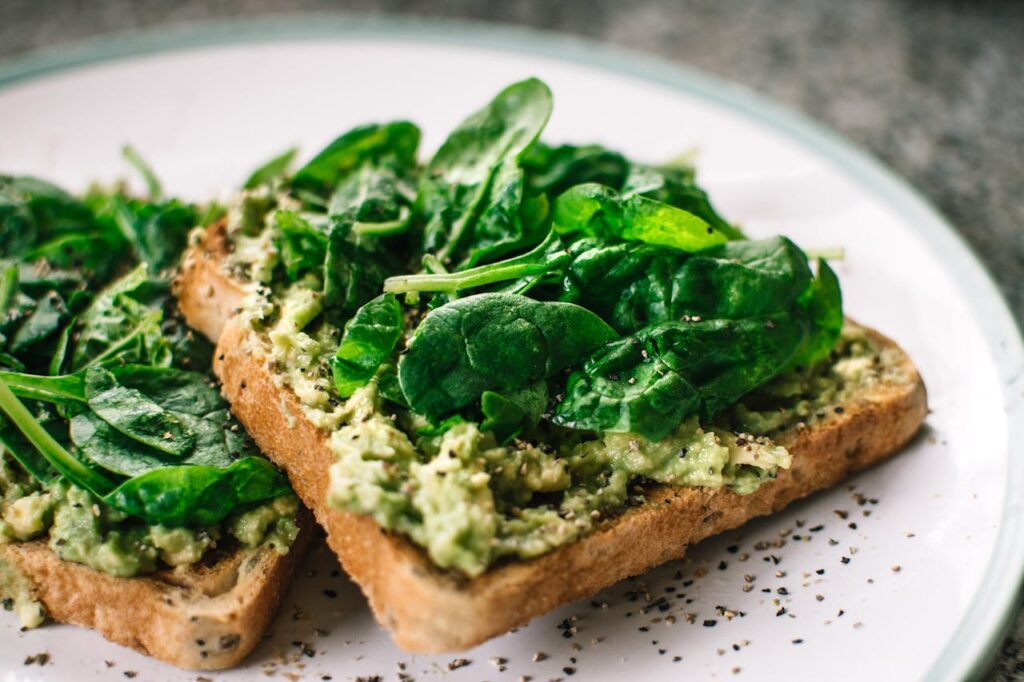
- Leafy greens: Spinach, kale, and other greens are not only rich in riboflavin but also loaded with other nutrients like fiber and iron.
- Fortified cereals and bread: Many breakfast cereals and whole-grain breads are fortified with riboflavin, making them a convenient option for a riboflavin boost.
- Eggs: Eggs are versatile and nutrient-dense, providing a good dose of riboflavin alongside other essential vitamins and minerals.
Safe Vitamin B2 Riboflavin Dosages
| Age Group | Dosage | Health Benefits | Side Effects | Research Sources |
| Infants(0-6 months) | 0.3 mg/day | – Supports growth and development- Aids in energy metabolism | – Rare; may cause yellow/orange urine | RxList, Mount Sinai |
| Infants(7-12 months) | 0.4 mg/day | – Promotes healthy metabolism and cellular function | – Rare; may cause yellow/orange urine | RxList, Mount Sinai |
| Children(1-3 years) | 0.5 mg/day | – Supports growth and development- Important for energy production | – Rare; may cause yellow/orange urine | RxList, Mount Sinai |
| Children(4-8 years) | 0.6 mg/day | – Supports vision and immune health | – Rare; may cause yellow/orange urine | RxList, Mount Sinai |
| Children(9-13 years) | 0.9 mg/day | – Important for growth, vision, and immune system support | – Rare; may cause yellow/orange urine | RxList, Mount Sinai |
| Adolescent Boys(14-18 years) | 1.3 mg/day | – Supports reproductive health and overall growth- Essential for vision and immune function | – Rare; may cause yellow/orange urine | RxList, Mount Sinai |
| Adolescent Girls(14-18 years) | 1.0 mg/day | – Important for reproductive health and immune function | – Rare; may cause yellow/orange urine | RxList, Mount Sinai |
| Adults(Men) | 1.3 mg/day | – Supports energy production and cellular function | – Rare; may cause yellow/orange urine | RxList, Mount Sinai |
| Adults(Women) | 1.1 mg/day | – Important for reproductive health and immune function | – Rare; may cause yellow/orange urine | RxList, Mount Sinai |
| Pregnant Women | 1.4 mg/day | – Supports fetal development; important for vision and immune function | – Rare; may cause yellow/orange urine | RxList, Mount Sinai |
| Breastfeeding Women | 1.6 mg/day | – Important for maternal health and supports breast milk quality | – Rare; may cause yellow/orange urine | RxList, Mount Sinai |
Vitamin B2 Riboflavin Interactions with Drugs/Supplements
Common Drugs
- Antidepressants: May reduce riboflavin levels.
- Antibiotics: Can interfere with riboflavin absorption.
- Birth control pills: May lower riboflavin levels.
Other Supplements
- Iron: Riboflavin can boost iron absorption, which benefits those with anemia.
- B-complex vitamins: Works well with other B vitamins, enhancing overall effectiveness.
Frequently Asked Questions (FAQ)
What Are the Main Benefits of Vitamin B2 Riboflavin?
Vitamin B2 riboflavin supports energy production, hormone balance, and overall cellular health.
Can Vitamin B2 Riboflavin Help With Menopause Symptoms?
Yes, riboflavin helps manage hormone fluctuations, mood swings, and energy levels during menopause.
Which Foods Are High in Vitamin B2 Riboflavin?
Dairy products, lean meats, leafy greens, fortified cereals, and eggs are all rich in riboflavin.
Are There Any Side Effects of Taking Vitamin B2 Riboflavin?
Riboflavin is generally safe, but high doses may cause yellow urine or mild nausea.
How Does Vitamin B2 Riboflavin Affect Blood Sugar and Insulin?
Riboflavin supports glucose metabolism, potentially improving insulin sensitivity and reducing the risk of insulin resistance.



Leave a Reply