
Key Takeaways
- Zeaxanthin supports eye health by filtering harmful blue light and reducing oxidative stress.
- It may help manage menopause symptoms by reducing inflammation and promoting hormone balance.
- This pigment boosts metabolism, aiding in fat reduction and weight management, especially post-menopause.
- By improving insulin sensitivity, zeaxanthin helps regulate blood sugar levels and reduce diabetes risk.
- You can boost your zeaxanthin intake through foods like spinach, kale, and corn or supplements.
What is Zeaxanthin?
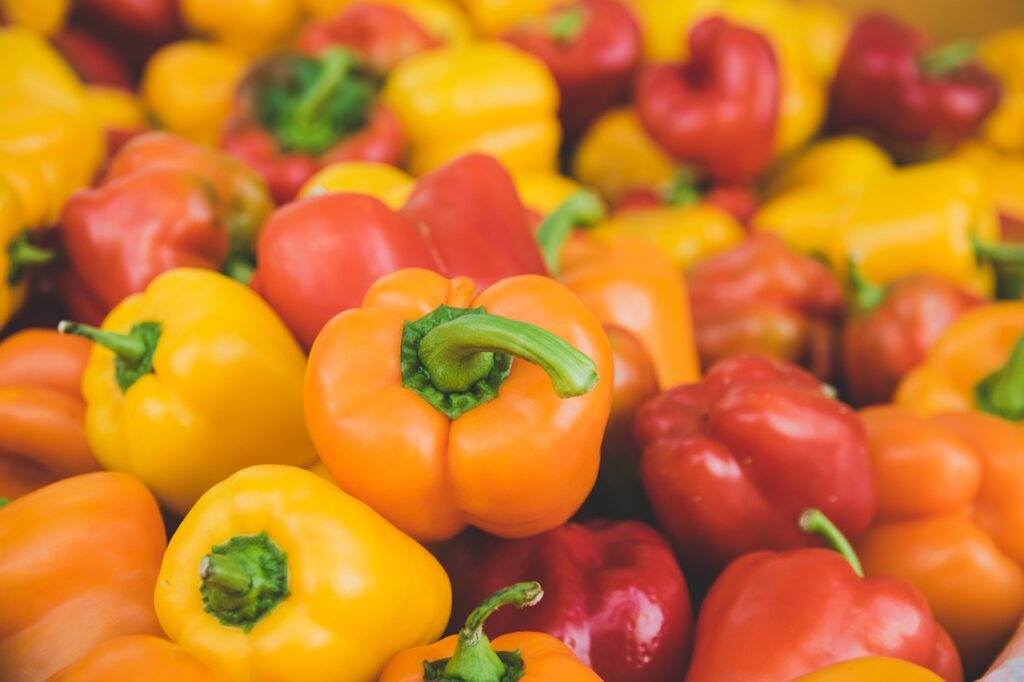
Zeaxanthin is a natural pigment called a carotenoid, which gives vibrant color to plants. Green leafy vegetables, corn, and yellow-orange fruits are rich in zeaxanthin.
Benefits of Zeaxanthin
Antioxidant
Zeaxanthin is a potent antioxidant—it fights free radicals, protecting your cells and promoting overall health. Studies show that it plays an important role in reducing oxidative stress, which can prevent damage at the cellular level, benefiting both your eyes and overall well-being.
Eye Health
It helps protect your eyes by filtering harmful blue light and can prevent conditions like age-related macular degeneration (AMD) and cataracts. It’s especially concentrated in the central part of your retina (the fovea) to shield your eyes from oxidative damage, reducing the risk of vision loss as you age.
Immune Support
Its anti-inflammatory benefits extend to the immune system. By reducing inflammation in the body, it supports your body’s natural defenses. Chronic inflammation can weaken your immune response, and zeaxanthin’s ability to reduce this helps you stay healthier, even as you age.
Cognitive Benefits
Zeaxanthin may also help support cognitive health—the ability to think clearly, learn, and remember—thanks to its antioxidant properties. Research suggests that it can reduce oxidative damage in the brain, potentially protecting against cognitive decline as you age.
Side Effects of Zeaxanthin
Zeaxanthin is generally considered safe, especially when consumed through foods or supplements at recommended levels. However, some people may experience skin yellowing (carotenemia) from consuming high levels of zeaxanthin. Other potential side effects include mild digestive discomfort and headaches.
If you notice any of these symptoms, it’s a good idea to consult your healthcare provider for advice.

Zeaxanthin & Weight Loss
This pigment boosts metabolism—helping your body burn more calories and making it easier to maintain a healthy weight. Studies show that zeaxanthin can reduce fat accumulation, especially when combined with exercise. In a study involving high-fat diet-induced obese rats, those treated with zeaxanthin showed a reduction in body weight and fat buildup.
Zeaxanthin & Blood Sugar Management
Zeaxanthin may improve insulin sensitivity—helping your body use insulin more effectively, which in turn regulates blood sugar levels. A study on Mexican American children found that higher levels of carotenoids—including zeaxanthin—were linked to better insulin sensitivity, reducing the risk of developing type 2 diabetes.
Zeaxanthin may also help improve metabolic health in diabetic conditions by reducing oxidative stress and inflammation. Research on diabetic rats showed that zeaxanthin supplementation protected against retinal damage and reduced key inflammatory markers associated with diabetes. While this study focused on eye health, the effects suggest that zeaxanthin can support better blood sugar management overall.
Zeaxanthin & Hormone Balance
This pigment may help balance estrogen levels and ease symptoms like hot flashes and mood swings. Research shows that higher intake of carotenoids, including zeaxanthin, is linked to a lower risk of estrogen receptor-negative breast cancer.
Zeaxanthin also helps reduce cortisol levels—a stress hormone linked to weight gain and anxiety. A study found that participants who took zeaxanthin supplements experienced lower cortisol and less psychological stress over 12 months. This shows that by managing stress, zeaxanthin can improve mood and overall well-being.
Zeaxanthin & Menopause Management
It offers natural support during the aging process, which can benefit women experiencing menopause. As you age, your body faces more oxidative stress and inflammation. Zeaxanthin’s powerful antioxidant properties help combat these effects, promoting overall well-being.
Although there is limited direct research on its role in reducing hot flashes, its ability to reduce inflammation may offer indirect benefits. Studies show that zeaxanthin lowers oxidative stress and protects cells from damage as we age. This can contribute to better hormone regulation, offering some relief from common menopausal symptoms like hot flashes.
Adding Zeaxanthin to Your Diet
Natural Sources
Boost your intake of zeaxanthin by adding these foods to your meals:
- Spinach
- Kale
- Corn
- Orange bell peppers
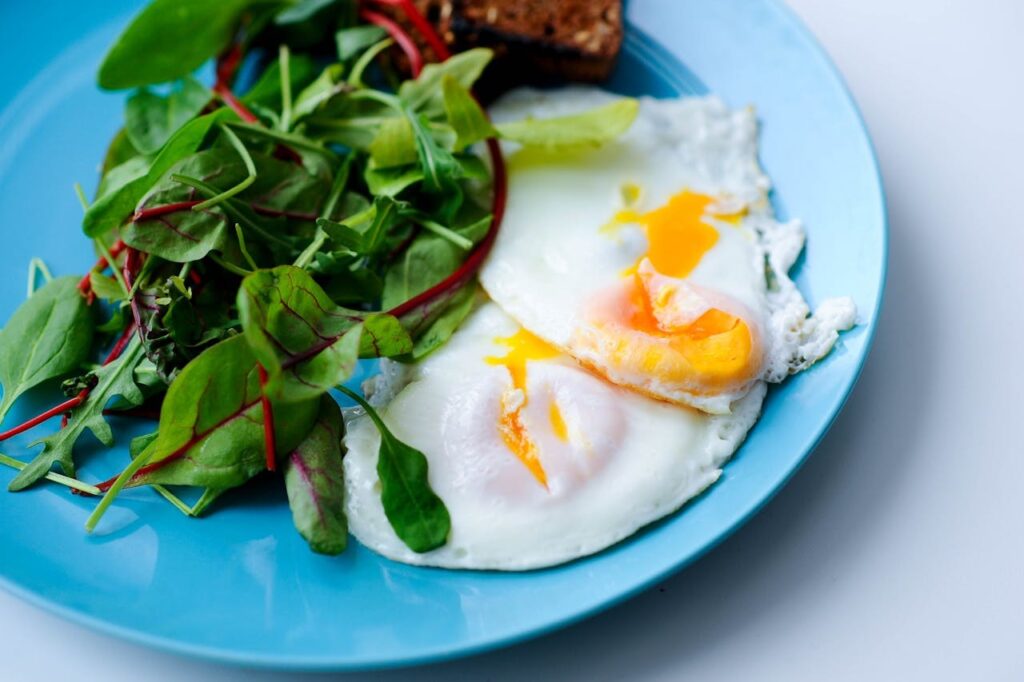
- Egg yolks
To get the most from these foods, steam or lightly sauté veggies instead of boiling them. This helps retain more of the beneficial nutrients.
Supplements
If you’re not getting enough zeaxanthin from food, supplements are a great alternative. Look for a daily dose of around 2 mg, and always choose high-quality brands. Consult your healthcare provider before starting any new supplement to make sure it’s right for you.
Safe Zeaxanthin Dosages
| Age Group | Dosage | Health Benefits | Side Effects | Research Sources |
| Children | Consult a healthcare provider* | N/A | N/A | N/A |
| Adults | 2-6 mg daily | May reduce risk of age-related macular degeneration (AMD) and cataracts | Generally considered safe | Healthline, NCBI, NCBI |
*Always consult a healthcare provider before starting any new supplement regimen, especially for children, pregnant/breastfeeding women, and those with medical conditions or taking medications.
Zeaxanthin Interactions with Drugs/Supplements
Zeaxanthin is generally safe, but check for potential interactions with your medications. It works well with Vitamins C and E. This combination provides extra antioxidant protection and supports overall health.
Frequently Asked Questions (FAQ)
What Is Zeaxanthin?
Zeaxanthin is a powerful antioxidant found in leafy greens, corn, and orange fruits that protects against oxidative stress.
Can Zeaxanthin Help With Menopause Symptoms?
Yes, it may ease menopause symptoms by reducing inflammation and helping regulate hormones like estrogen and cortisol.
How Does Zeaxanthin Support Weight Loss?
Zeaxanthin boosts metabolism and may reduce fat accumulation, making it easier to manage weight.
Is Zeaxanthin Safe To Take As A Supplement?
Yes, zeaxanthin is generally considered safe, but always consult your healthcare provider before starting a supplement.
What Are the Best Food Sources of Zeaxanthin?
Spinach, kale, corn, orange bell peppers, and egg yolks are excellent sources of zeaxanthin.



Leave a Reply