
Key Takeaways
- Chamomile can ease menopause symptoms like hot flashes and mood swings.
- This herb supports weight loss by boosting metabolism and reducing appetite.
- By improving insulin sensitivity, chamomile may help manage blood sugar levels.
- Regularly drinking chamomile tea can improve sleep quality and lower anxiety.
- While generally safe, chamomile can interact with certain medications and supplements.
What is Chamomile?
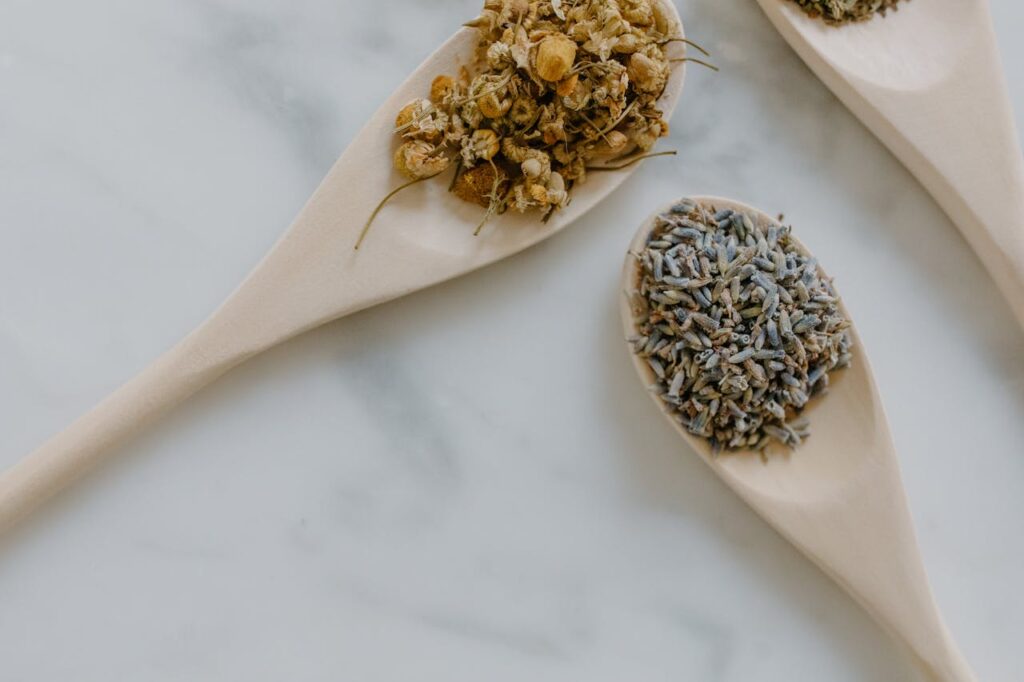
Chamomile is a flowering herb used for centuries for its medicinal properties. Most people consume it as tea, but you can also find it in supplements, oils, and topical creams. Chamomile is well-known for its calming effects and is commonly used to treat a variety of conditions.
Benefits of Chamomile
- Inflammation Relief: Chamomile’s anti-inflammatory properties can help reduce joint pain and skin issues, which are common during menopause.
- Sleep Aid: This herb is often used to improve sleep quality because its calming effects help reduce anxiety.
- Digestive Health: Chamomile can help reduce bloating and indigestion—a great remedy for digestive discomfort during menopause.
- Skin Health: Topical chamomile can treat conditions like eczema and rashes, thanks to its anti-inflammatory and antimicrobial properties.
Side Effects of Chamomile
Chamomile is generally safe, but some people may experience allergic reactions, especially if they are allergic to plants like ragweed, daisies, or marigolds.
Chamomile & Weight Loss
It can boost metabolism by promoting better digestion and nutrient absorption. Its anti-inflammatory effects can improve metabolic function, helping your body process food more efficiently.
Chamomile may also help suppress appetite, reducing your overall calorie intake. Drinking chamomile tea before meals can make you feel fuller, aiding in weight management.
Chamomile & Blood Sugar Management
Chamomile has shown potential in improving insulin sensitivity, which helps maintain stable blood sugar levels. This is particularly important during menopause when hormonal changes can affect insulin response.
Research on Diabetes: A study published in the Journal of Endocrinological Investigation found that chamomile extract can lower blood sugar levels in diabetic patients. While more research is needed in humans, these findings suggest chamomile may help manage blood sugar.

Chamomile & Hormone Balance
Chamomile contains phytoestrogens, plant compounds that mimic estrogen in the body, which can help ease menopause symptoms like hot flashes and mood swings. This herb can also reduce cortisol, the stress hormone, promoting a sense of calm and improving sleep quality.
Chamomile & Menopause Management
- Ease Hot Flashes: Chamomile’s phytoestrogens can help reduce hot flashes. Regular consumption of chamomile tea may provide relief during menopause.
- Boost Emotional Well-being: Menopause often brings emotional changes. Chamomile’s calming effects can help stabilize mood and reduce anxiety.
- Get Better Sleep: Drinking chamomile tea before bed can help you fall asleep faster and enjoy deeper sleep, thanks to its natural sedative properties.
Adding Chamomile to Your Diet
The most common way to consume chamomile is as tea. Steep a chamomile tea bag or dried flowers in hot water for 5-10 minutes. Enjoy plain or with a touch of honey.
Supplements: Chamomile supplements come in various forms like capsules and liquid extracts. Follow the dosage instructions on the product label or consult your healthcare provider.
Safe Chamomile Dosages
| Age Group | Dosage | Health Benefits | Side Effects | Research Sources |
| Children(2+ years) | 5-10 ml of chamomile tea | Aids digestion, promotes relaxation | Allergic reactions possible; consult pediatrician | WebMD |
| Adults(for sleep) | 400 mg daily | Improves sleep quality, reduces insomnia | N/A | NCBI |
| Adults(general use) | 1,500 mg daily | Reduces anxiety symptoms, improves overall well-being | Mild side effects possible; may need dose adjustment | NCBI |
Chamomile Interactions with Drugs/Supplements
- Common Drugs: Chamomile can interact with blood thinners like warfarin, increasing bleeding risk. It can enhance the effects of sedatives. Always consult your healthcare provider before using chamomile if you’re taking medications.
- Other Supplements: Chamomile may interact with other sedative supplements like valerian and kava. Use caution and consult a healthcare provider if combining supplements.
Frequently Asked Questions (FAQ)
Is Chamomile Safe for Menopause Symptoms?
Yes, chamomile is generally safe and can help alleviate menopause symptoms like hot flashes and anxiety.
How Does Chamomile Help with Weight Loss?
Chamomile boosts metabolism and suppresses appetite, aiding in weight management.
Can Chamomile Improve Blood Sugar Levels?
Chamomile may improve insulin sensitivity, helping to stabilize blood sugar levels.
Are There Any Side Effects of Using Chamomile?
Some people may experience allergic reactions, especially if they are allergic to plants like ragweed.
Can I Take Chamomile with My Medications?
Chamomile can interact with certain medications, like blood thinners and sedatives. Consult your healthcare provider first.




Leave a Reply