
Key Takeaways
- Chondroitin reduces joint pain and stiffness by supporting cartilage and lowering inflammation.
- When combined with exercise, chondroitin can improve mobility and support weight management.
- Research shows that chondroitin does not negatively impact blood sugar control in people with diabetes.
- Chondroitin may boost estrogen’s bone-strengthening effects, which is important during menopause.
- Menopause-related joint pain may be relieved with chondroitin.
What is Chondroitin?
Chondroitin is a natural substance found in the cartilage between your joints. It helps keep cartilage strong and elastic by retaining water. This cushioning effect is essential for maintaining joint health—especially important for women experiencing menopause, who often report joint pain.
Chondroitin is also widely available in supplement form—often combined with glucosamine to enhance joint support.

Benefits of Chondroitin
Joint Health
Chondroitin can reduce joint pain and stiffness in menopausal women by supporting cartilage health and lowering inflammation. Studies show that chondroitin significantly improves joint function and mobility, especially for osteoarthritis patients.
Anti-Inflammatory
This substance is particularly useful for managing symptoms of osteoarthritis thanks to its anti-inflammatory properties. Studies show it can significantly reduce joint inflammation, improving overall joint function.
Bone Strength
While chondroitin is known for its benefits in joint health, its direct role in improving bone density or preventing osteoporosis remains unclear. However, some suggest it may help support overall joint function, which can indirectly benefit bone health.
Side Effects of Chondroitin
Chondroitin is generally safe, though some may experience mild side effects like nausea or diarrhea. Serious side effects are rare, but they can include allergic reactions or leg swelling. Consult your doctor if you experience any unusual symptoms.
Who Should Avoid Chondroitin? If you’re taking blood thinners, pregnant or breastfeeding, or have shellfish allergies (depending on the source), avoid this supplement or discuss with your doctor before use.

Chondroitin & Weight Loss
Impact on Weight
While chondroitin is often taken for joint health, one study found that combining glucosamine and chondroitin supplementation with a healthy diet may support joint health in obese rats. However, its effect on weight reduction was minimal in this animal study. More research is needed to understand whether chondroitin has any direct impact on weight loss in humans.
Link to Exercise
It improves joint function, which can encourage physical activity—a key factor in managing weight. In one clinical trial, participants who combined chondroitin supplementation with exercise experienced better mobility and joint function than those who took the supplement alone. Increased mobility can make it easier to stay active, which may help with maintaining or managing weight.
Chondroitin & Blood Sugar Management
Effects on Insulin Sensitivity
Some studies have explored how chondroitin affects insulin resistance, a key factor in managing blood sugar levels. A study on a novel chondroitin sulfate derived from Halaelurus burgeri—a type of shark—found that it significantly improved insulin sensitivity in animal models. This improvement in insulin sensitivity can help regulate blood sugar levels and reduce the risk of diabetes.
Impact on Blood Sugar Levels
For those already managing diabetes, chondroitin appears safe to use. A clinical trial evaluating the effects of glucosamine and chondroitin supplementation on HbA1c levels—a key marker of long-term blood sugar control—found no significant changes in HbA1c levels in patients with type 2 diabetes. This suggests that taking chondroitin does not worsen blood sugar control in diabetic individuals.
Chondroitin & Hormone Balance
Estrogen and Chondroitin Sulfate
One study found that chondroitin sulfate-E (CS-E) mediates estrogen’s bone-strengthening effects. Estrogen increases CS-E production in bone cells, which helps promote bone formation and improves bone density. This is particularly important for women going through menopause, as the decline in estrogen can contribute to osteoporosis and other bone-related issues.
Estrogen Decline and Bone Health
The same study shows that when estrogen levels drop—such as during menopause—CS-E production decreases significantly. This decline in chondroitin sulfate production contributes to weakened bones and a higher risk of fractures. By enhancing CS-E synthesis, chondroitin may help offset some of the negative effects of declining estrogen.
Chondroitin & Menopause Management
Supports Bone Health
Osteoporosis is a major concern for postmenopausal women, as reduced estrogen leads to weaker bones and an increased risk of fractures.
Research shows that chondroitin sulfate oligosaccharides (CSOs) can help improve bone density and strength, making it a promising supplement for addressing postmenopausal osteoporosis.
Relieves Joint Pain
Joint pain is another common symptom during menopause, and chondroitin may offer relief. A clinical study found that glucosamine and chondroitin supplementation helped reduce joint pain in women taking aromatase inhibitors for breast cancer treatment, which is relevant for postmenopausal women experiencing joint pain due to hormonal changes. The study noted improvements in pain and stiffness without negatively affecting hormone levels, making chondroitin a safe option for managing joint discomfort during menopause.
Adding Chondroitin to Your Diet
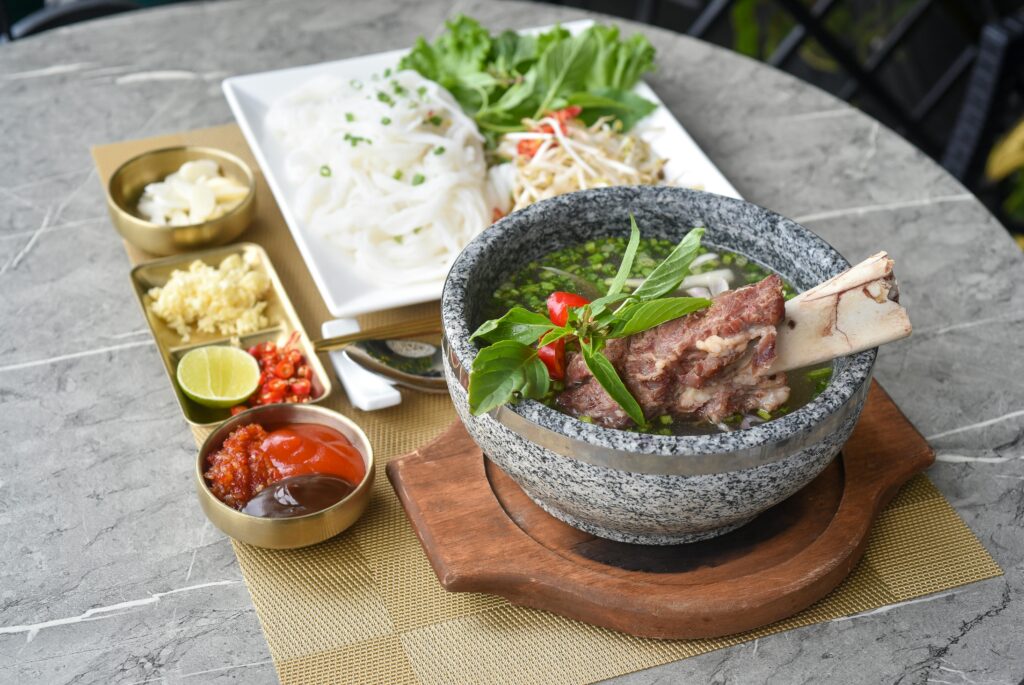
You can get small amounts of chondroitin from foods like bone broth, chicken cartilage, and other cartilage-rich meats. These foods offer natural sources of chondroitin, but it’s hard to consume enough through diet alone to make a significant difference.
That’s why many people turn to chondroitin supplements—they’re available in various forms, including tablets, capsules, and powders. To ensure you’re getting a quality product, look for supplements that are third-party tested for purity and potency.
Safe Chondroitin Dosages
| Age Group | Dosage | Health Benefits | Side Effects | Research Sources |
| Adults(18+ years) | 800-1,200 mg daily | Reduces joint pain and improves function in osteoarthritis | Mild digestive issues, headache | NCBI, Healthline |
| Older Adults(65+ years) | 800-1,200 mg daily | Supports joint health and may help with mobility | Similar to adults, with increased caution due to potential interactions with medications | FDA |
| Postmenopausal Women | 1,200 mg daily | Eases joint pain associated with aromatase inhibitors | Nausea, diarrhea, risk of bleeding (if on blood thinners) | NCBI |
Chondroitin Interactions with Drugs/Supplements
Chondroitin may interact with certain medications, especially blood thinners. If you’re on non-steroidal anti-inflammatory drugs (NSAIDs) or diabetes medications, it’s important to consult your healthcare provider as chondroitin can affect how these drugs work.
Avoid taking chondroitin with similar supplements—like glucosamine—without professional guidance to prevent excessive dosing.
Frequently Asked Questions (FAQ)
What Is Chondroitin, and What Does It Do?
Chondroitin is a natural substance found in cartilage that helps maintain joint health by retaining water and improving cartilage elasticity.
Can Chondroitin Help With Joint Pain During Menopause?
Yes, chondroitin can help reduce joint pain and stiffness during menopause by supporting cartilage health and lowering inflammation.
Does Chondroitin Affect Blood Sugar Levels?
Research shows that chondroitin does not worsen blood sugar control in people with diabetes, making it a safe supplement for those managing their blood sugar.
How Does Chondroitin Support Bone Health During Menopause?
Chondroitin may help mediate estrogen’s bone-strengthening effects, improving bone density and reducing the risk of fractures.
What Are the Potential Side Effects of Chondroitin?
Chondroitin is generally safe, though some people may experience mild side effects like nausea or diarrhea. Serious side effects, such as allergic reactions, are rare.



Leave a Reply