
Key Takeaways
- Gotu Kola is a herb traditionally used in Ayurvedic and Chinese medicine for its healing properties.
- It may help manage menopause symptoms, including weight loss, blood sugar regulation, and hormone balance.
- Studies suggest Gotu Kola can improve cognitive function, reduce inflammation, and support circulatory health.
- The recommended dosage ranges from 500-1000 mg of dried powder two to three times daily, but potential side effects include digestive issues and liver problems.
- Consult a healthcare provider before using Gotu Kola, especially if you have existing health conditions or are taking other medications.
What is Gotu Kola?
Gotu Kola, scientifically named Centella asiatica, comes from Asia and has a long history in traditional medicine, especially in Ayurvedic and Chinese practices. People often call it the “herb of longevity” because of its many health benefits, including alleviating skin problems and memory issues.
Benefits of Gotu Kola
- Heals Wounds and Improves Skin Health: Gotu Kola increases collagen production and stimulates new blood vessel growth, making it useful for treating burns, cuts, and other skin injuries.
- Boosts Circulation: It improves blood flow, helping people with circulatory issues like chronic venous insufficiency. It also reduces swelling.
- Enhances Cognitive Function: Traditionally, people used Gotu Kola to improve memory and mental clarity. It may also protect the brain from age-related decline.
- Reduces Inflammation: Gotu Kola lowers inflammation and pain, especially for conditions like arthritis. It works by blocking certain inflammatory chemicals in the body.
- Fights Aging: Gotu Kola is used in anti-aging skincare because it promotes collagen production and shields the skin from oxidative stress. Regular use helps keep the skin firm, reduces wrinkles, and improves overall skin appearance.
- Relieves Muscle and Joint Pain: By improving circulation and reducing inflammation, Gotu Kola relieves pain in muscles and joints, especially in people with arthritis or muscle strains. It works both when applied to the skin and when taken orally.
Side Effects of Gotu Kola
- Common Side Effects:
- Taking Gotu Kola for long periods, especially up to 12 months, may cause nausea and stomach pain.
- Some people feel drowsy after using Gotu Kola.
- Others report headaches.
- Long-term use may also cause dizziness.
- Diarrhea is common when starting Gotu Kola supplements.
- When used on the skin, it may cause irritation, redness, or itching, especially after extended use.
- Serious Side Effects:
- In rare cases, Gotu Kola may harm the liver. People with liver problems should avoid it or use it carefully with regular liver function tests.
- Interactions with Medications:
- Gotu Kola can increase the risk of liver damage when taken with medications that affect the liver.
- It may raise blood sugar levels, which can interfere with diabetes medications.
- Taking it with diuretics could cause electrolyte imbalances.
- It can also intensify the effects of sedatives or anxiety medications.
Gotu Kola & Weight Loss
Research directly linking Gotu Kola to weight loss is minimal; however, Gotu Kola affects circulation, stress, and inflammation, which may indirectly assist with weight management. It reduces fluid retention and improves blood circulation, particularly in individuals with venous insufficiency. As swelling decreases, mobility and comfort increase, potentially encouraging more physical activity and supporting weight management.
Anxiety and stress, often factors in weight gain, may also be reduced by Gotu Kola, making healthier decisions easier to maintain. Still, the direct connection between Gotu Kola and weight loss has not been confirmed, and further research is required.
Gotu Kola & Blood Sugar Management

Research on Gotu Kola and its impact on blood sugar management has shown varied results. A study involving diabetic mice demonstrated that Gotu Kola (Centella asiatica) leaf extract significantly reduced blood sugar levels over a 21-day period, with reductions ranging from 24.3% to 55.3% across different treatment groups. The study attributes these effects to phytochemical compounds like flavonoids, alkaloids, tannins, and saponins, which may modulate glucose metabolism and inhibit enzymes involved in carbohydrate digestion. These findings suggest that Gotu Kola could be a beneficial supplement for managing blood sugar levels.
In contrast, another study examined the effects of a combination of sappan wood and Gotu Kola extracts on insulin resistance and oxidative stress in diabetic rats. The results showed that the combination significantly reduced insulin resistance and malondialdehyde (MDA) levels, a marker of oxidative stress, after 21 days of treatment. The best results were observed with a specific combination ratio, which was comparable to the effects of the standard diabetes medication glibenclamide. This suggests that the combined extracts may have potential as a functional drink for diabetes management.
Further research, especially in human trials, is necessary to fully confirm Gotu Kola’s efficacy and safety in blood sugar management.
Gotu Kola & Hormone Balance
Research specifically addressing the relationship between Gotu Kola and hormone balance is limited. However, some studies suggest that Gotu Kola may have effects related to female sex hormones, particularly estrogen.
One study investigated the effects of Gotu Kola extract on vaginal wall thickness, estrogen receptor beta, and type-1 collagen in menopausal rats. The findings indicated that Gotu Kola might help suppress free radicals, increase collagen synthesis, and stimulate epithelial proliferation in the vaginal wall. These effects could be beneficial for menopausal women experiencing vaginal atrophy due to low estrogen levels. This suggests a potential link between Gotu Kola and estrogen-related functions, although the study does not directly address overall hormone balance.
While this study provides some indirect evidence that Gotu Kola may influence hormone-related conditions, particularly in menopausal women, more targeted research is necessary to fully understand its impact on hormone balance in both men and women. Current research on Gotu Kola primarily focuses on other health benefits, with little direct evidence regarding its effects on hormones.
Gotu Kola & Menopause Management
Research on Gotu Kola for managing menopausal symptoms is still emerging, with some studies suggesting potential benefits. A study investigated the effects of Gotu Kola extract on menopausal rats, specifically focusing on vaginal health. The study found that Gotu Kola significantly increased vaginal wall thickness, estrogen receptor beta expression, and type-1 collagen levels, which could help alleviate symptoms like vaginal atrophy.
However, while these findings are promising, they are based on animal models, and further research in human subjects is necessary to confirm Gotu Kola’s effectiveness for managing menopause symptoms.
Adding Gotu Kola to Your Diet

Gotu Kola is not typically consumed as a food source and is primarily available as a dietary supplement.
Here’s a summary of how to incorporate Gotu Kola into your diet and its available forms:
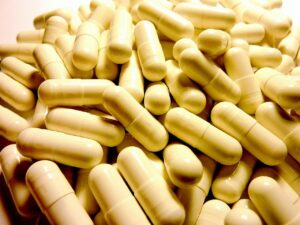
- Capsules/Tablets: Gotu Kola is widely available in capsule or tablet form. These are standardized extracts that ensure a consistent dosage, typically ranging from 500 to 1000 mg per day.
- Liquid Extracts/Tinctures: Liquid forms of Gotu Kola can be mixed with water or other beverages. The recommended dosage for tinctures is usually 1 to 2 ml, taken 1 to 3 times daily.
- Fresh Leaves/Powder: Fresh Gotu Kola leaves can be added to salads, soups, and smoothies. Dried Gotu Kola powder can be mixed into teas, smoothies, or sprinkled on food.
Safe Gotu Kola Dosages
| Age Group | Dosage | Health Benefits | Side Effects | Research Sources |
| Adults | 60-450 mg daily | Cognitive function, wound healing, circulation, anti-aging | Nausea, stomach pain, drowsiness, skin irritation | Rupa HealthWebMD Healthline |
| Adults | Up to 180 mg daily | General wellness, antioxidant properties | Gastrointestinal upset, dermatological irritation | Rupa Health |
| Adults | 750-1000 mg daily | Memory enhancement, nerve function | Constipation, heartburn, nausea | National Center for Biotechnology Information (NCBI) |
| Adults | 30-60 drops (liquid extract) 3 times/day | Stress relief, anxiety reduction | Sleepiness, slowed breathing | Healthline |
| Adults | 1,000 mg for 60 days | Various health benefits including skin and cognitive health | Possible liver damage in sensitive individuals | Rupa HealthWebMD |
| Pregnant/Breastfeeding | Not recommended | Safety not established | Unknown | WebMD Healthline |
| Individuals with liver disease | Avoid | Risk of liver damage | Liver toxicity | WebMD Healthline |
This table summarizes safe dosages of Gotu Kola, its health benefits, potential side effects, and relevant research sources.
Gotu Kola Interactions with Drugs/Supplements
- Medications That Affect the Liver: Gotu Kola may interact with medications that impact liver function. Examples include:
- Acetaminophen (Tylenol)
- Statins (e.g., Atorvastatin)
- Certain antibiotics (e.g., Rifampin)
- Sedative Medications: Gotu Kola has mild sedative properties and can enhance the effects of sedative medications, increasing drowsiness and impairing motor functions. Examples include:
- Benzodiazepines (e.g., Diazepam)
- Barbiturates (e.g., Phenobarbital)
- Sleep medications (e.g., Zolpidem)
- Diabetes Medications: Gotu Kola may lower blood sugar levels, which can be problematic for individuals taking diabetes medications. Examples include:
- Metformin (Glucophage)
- Insulin
- Sulfonylureas (e.g., Glipizide)
- Diuretics and Herbs with Diuretic Effects: Gotu Kola has mild diuretic properties and can interact with diuretic medications or other herbs with similar effects, leading to an increased risk of dehydration and electrolyte imbalances. Examples include:
- Furosemide (Lasix)
- Hydrochlorothiazide (HCTZ)
- Herbal diuretics (e.g., Dandelion)
- Interactions with Other Herbs: Gotu Kola may interact with other herbs that have similar effects, such as ginkgo biloba, which also improves circulation and cognitive function. Combining these herbs can amplify their effects and increase the risk of side effects.
Frequently Asked Questions (FAQ)
What is the Gotu Kola extract?
Gotu Kola extract is a concentrated form of the Gotu Kola herb, typically standardized to contain specific levels of active compounds like triterpenoids. It is available in various forms, including capsules, tablets, and liquid extracts.
How can Gotu Kola help during menopause?
Gotu Kola can help manage menopause symptoms by regulating hormones, improving circulation, reducing inflammation, and enhancing cognitive function – which can alleviate common symptoms such as hot flashes, mood swings, and weight gain.
What are the common side effects of Gotu Kola?
Common side effects of Gotu Kola include digestive issues such as nausea and stomach pain, dizziness, and potential liver problems. It’s advisable to start with a lower dose to see how your body reacts and consult a healthcare provider if you experience any adverse effects.
Can Gotu Kola aid in weight loss?
Yes, Gotu Kola can aid in weight loss by improving circulation, reducing fluid retention, and lowering stress levels. Its antioxidant and anti-inflammatory properties also support overall metabolic health.
Is Gotu Kola safe for people with liver problems?
People with liver problems should exercise caution when using Gotu Kola. The herb can exacerbate liver issues, so it’s crucial to consult a healthcare provider before incorporating Gotu Kola into your routine.



Leave a Reply