
Key Takeaways
- Lecithin is a natural substance found in foods like soybeans, sunflower seeds, and egg yolks, playing a significant role in hormone balance, particularly during menopause.
- It supports blood sugar management by improving insulin sensitivity and helps in weight loss by enhancing lipid metabolism and reducing cravings.
- The recommended dosage of lecithin typically ranges from 1,200 to 2,400 milligrams per day, but it’s important to consult a healthcare provider for personalized advice.
- While generally safe, lecithin can cause digestive issues and allergic reactions, especially if sourced from soy or eggs.
- Lecithin can interact with certain medications, including blood thinners and supplements that affect lipid metabolism.
What is Lecithin?
Lecithin is a naturally occurring fatty substance found in the tissues of the body, essential for the proper functioning of cells. It is composed of phospholipids, which help maintain the structure of cell membranes and possess emulsifying properties, allowing fats to blend with water.
Lecithin is commonly sourced from soybeans, sunflower seeds, and egg yolks, and is widely used in the food industry, pharmaceuticals, and cosmetics.
Benefits of Lecithin
- Cholesterol Management: Lecithin aids in the breakdown of fats, which can help reduce bad cholesterol (LDL) in the bloodstream, benefiting those at risk of cardiovascular diseases. Lecithin supplementation can help decrease LDL cholesterol levels, thereby improving heart health.
- Digestive Health: Lecithin supports digestive health by emulsifying fats, making them easier to digest and absorb. This can improve fat digestion, support gut health, and reduce digestive discomfort. It’s particularly beneficial for those with digestive disorders like irritable bowel syndrome (IBS).
- Breastfeeding Support: Lecithin is often recommended for breastfeeding mothers as it helps prevent clogged milk ducts, a common issue that can lead to mastitis, a painful breast infection.
- Cognitive Function: Lecithin contains choline, a nutrient crucial for brain health. Choline supports the production of acetylcholine, a neurotransmitter essential for memory and learning, which can enhance cognitive function, particularly in older adults.
- Skin Health: Lecithin benefits skin health by maintaining the skin’s natural moisture barrier, keeping it hydrated and supple. Its emulsifying properties also make it a common ingredient in skincare products.
- Immune Function: Lecithin plays a role in supporting immune function by aiding in the production of antibodies, essential for fighting infections.
- Potential Weight Management: There is growing interest in lecithin’s potential role in weight management. Lecithin may enhance fat metabolism, support weight loss efforts, and improve energy levels – and it could also help reduce cravings, making it easier to maintain a healthy diet.
Side Effects of Lecithin
Lecithin is generally considered safe for most people, but it can cause a variety of side effects, some of which may be serious.
Common Side Effects
- Digestive Issues: Lecithin supplementation may lead to digestive discomfort, including symptoms like diarrhea, stomach cramps, and nausea. If these symptoms occur, it’s recommended to reduce the dosage or discontinue use.
- Allergic Reactions: Although rare, allergic reactions to lecithin are possible, especially if it is sourced from soy or eggs. Symptoms may include itching, swelling, and difficulty breathing. Immediate discontinuation and consultation with a healthcare provider are advised if an allergic reaction is suspected.
Serious Side Effects
- Potential Interactions: Lecithin may interact with certain medications and supplements. It’s essential to consult with a healthcare provider before starting lecithin, particularly if you are on other medications, to avoid potential complications.
Lecithin & Weight Loss
Lecithin contains phosphatidylcholine, which can be broken down into choline, a compound that may help increase fat metabolism. As an emulsifier, lecithin breaks down fats and oils into smaller molecules, potentially making them easier to burn for energy. However, this theory has not been rigorously tested, and the evidence remains limited.
One small study found that participants taking 900 mg of choline per day lost more weight compared to a placebo group over 12 weeks. Despite these findings, this study has not been replicated, making it difficult to draw definitive conclusions. Another study from 2008 found that participants taking 500 mg of soy lecithin per day for two months experienced significant reductions in total cholesterol (42%) and LDL cholesterol (56%). While these results suggest potential benefits for heart health, the study did not measure weight loss.
In animal studies, lecithin supplementation increased immune function and the number of lymphocytes (a type of immune cell) by 92% in non-diabetic rats. However, these findings are preliminary and need to be replicated in human studies to determine their relevance to weight management.
While lecithin has shown some promising effects related to fat metabolism and immune function in animal and preliminary human studies, there is currently insufficient evidence to conclude that lecithin supplementation leads to significant weight loss in humans. More research is needed to determine if lecithin has any clinically relevant effects on body weight and composition.
Lecithin & Blood Sugar Management

Research on lecithin and its impact on blood sugar management is still developing, with findings primarily from animal studies.
One study investigated the effects of lecithin inclusion by α-cyclodextrin (α-CD) on blood glucose levels. The study found that α-CD, by increasing lecithin levels in the gut lumen, activated SREBP2 signaling in the intestine, which led to a significant reduction in postprandial hyperglycemia in both wild-type and insulin secretion-deficient mice. This suggests that lecithin, through its role in activating SREBP2, may help lower blood sugar levels after meals. However, these findings have yet to be confirmed in human trials.
Another study focused on the effects of lecithin supplementation in broilers, providing insights into its potential role in lipid metabolism. The study observed that lecithin supplementation significantly increased hepatic lipase and general esterase values, indicating enhanced lipid metabolism.
Additionally, lecithin altered the gut microbial community, which could influence lipid and glucose metabolism. While these results are promising, they were observed in animals, and further research is needed to determine their relevance to human blood sugar management.
While lecithin shows potential in influencing blood sugar and lipid metabolism, particularly through mechanisms involving gut microbiota and signaling pathways, more extensive research is required to confirm these effects in humans and understand their implications for blood sugar management.
Lecithin & Hormone Balance
Research on the effects of lecithin on hormone balance presents intriguing possibilities—particularly in managing menopausal symptoms and influencing hormonal indices.
Though direct studies on lecithin’s impact on human hormone balance are limited, existing research hints at its potential benefits.
One randomized, double-blind, placebo-controlled study investigated the effects of high-dose soy lecithin (1200 mg/day) on fatigue and menopausal symptoms in middle-aged women. Results showed significant improvements in vigor scores for those taking lecithin compared to the placebo group, suggesting a positive effect on energy levels and overall well-being.
Another study examined the effects of dietary soybean lecithin on growth performance and hormonal indices in fish. The study found that lecithin supplementation influenced serum biochemical and hormonal indices, although specific hormonal outcomes were not detailed. Fish fed diets enriched with soybean lecithin showed improved growth performance, possibly linked to enhanced metabolic and hormonal responses.
While research directly examining lecithin’s effects on human hormone balance remains limited, current findings indicate potential benefits for managing menopausal symptoms and modulating hormonal indices in various species. Further studies are needed to clarify these effects and their implications for human health.
Lecithin & Menopause Management
Research on lecithin, particularly soy lecithin, for managing menopause symptoms shows promising potential, though the evidence is still evolving.
A randomized, double-blind, placebo-controlled study investigated the impact of high-dose soy lecithin on fatigue and menopausal symptoms in middle-aged women. While the study found significant improvements in vigor and some cardiovascular benefits, further research is needed to confirm these effects.
Despite these findings, some studies suggest that lecithin could play a supportive role in overall metabolic health, which may indirectly benefit menopausal women. For example, a study on juvenile largemouth bass demonstrated that dietary soybean lecithin improved growth performance, immune response, and antioxidant capabilities.
The potential benefits of lecithin in managing menopausal symptoms, particularly in enhancing energy levels and reducing cardiovascular risks, are intriguing. However, the evidence remains preliminary, and further high-quality studies are necessary to fully understand its effectiveness and mechanisms in menopause management.
While lecithin shows promise in managing menopausal symptoms, particularly in improving vigor and cardiovascular health, the evidence remains inconclusive. Additional research is needed to confirm these findings and understand the broader implications of lecithin in menopause management.
Adding Lecithin to Your Diet
Lecithin can be added to your diet through various forms, both as food and supplements. Here’s a summary of how to incorporate lecithin into your diet and its available forms:
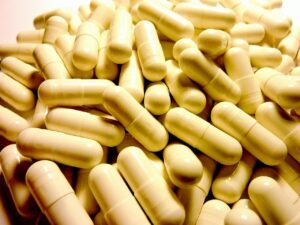
- Capsules/Tablets: Lecithin is widely available in capsule or tablet form. These are standardized supplements that provide a consistent dosage, typically ranging from 1,200 to 2,400 mg per day.
- Granules: Lecithin granules can be sprinkled on food or mixed into drinks. This form is versatile and allows you to easily add lecithin to your daily meals.
- Liquid Lecithin: Liquid lecithin can be added to beverages or used in recipes.
- Combination Supplements: Lecithin is often included in combination with other supplements, particularly those aimed at supporting heart health, cognitive function, and overall wellness.
Safe Lecithin Dosages
| Age Group | Dosage | Health Benefits | Side Effects | Research Sources |
| Adults | Up to 5,000 mg daily | – Cholesterol management (may lower LDL, raise HDL)- Improved digestion and gut health- Enhanced cognitive function and memory | – Diarrhea- Nausea- Stomach pain or discomfort | Risk Assessment of “Other Substances” – L-tyrosine (VKM)Tyrosine Supplement Information (RxList) |
| Pregnant/Breastfeeding Women | Food amounts only (no specific supplement dosage recommended) | – May prevent clogged milk ducts in breastfeeding mothers | – Allergic reactions in those with egg/soy allergy | Tyrosine Supplement Information (RxList)Tyrosine Benefits (Dr. Axe) |
| Children | No specific dosage recommendations. Consult pediatrician before supplementing. | – May support brain development and function | – Insufficient data on safety in children | Tyrosine Supplement Information (RxList) |
| Elderly | Consult healthcare provider for appropriate dosage. | – May support cognitive function and memory in older adults | – Insufficient data on safety in elderly | Risk Assessment of “Other Substances” – L-tyrosine (VKM)Tyrosine Supplement Information (RxList) |
A table summarizing safe lecithin dosages for different age groups, along with health benefits, potential side effects, and research sources.
Lecithin Interactions with Drugs/Supplements

- Interactions with Medications: Lecithin may interact with medications like blood thinners and anticoagulants, potentially increasing the risk of bleeding. It’s important to consult with a healthcare provider before starting lecithin supplementation if you are taking any medications to ensure safety and avoid adverse effects.
- Interactions with Supplements: Lecithin can also interact with other supplements, especially those that influence lipid metabolism or blood sugar levels. For instance, combining lecithin with omega-3 fatty acids or chromium supplements may amplify their effects. Always consult with a healthcare provider to ensure that combining these supplements is safe and appropriate.
- Allergic Reactions: Although rare, allergic reactions to lecithin can occur, with symptoms such as itching, swelling, and difficulty breathing. If you experience any signs of an allergic reaction, discontinue use immediately and seek medical attention.
Frequently Asked Questions (FAQ)
What is lecithin?
Lecithin is a fatty substance found in various plant and animal tissues, essential for cell membrane structure and function. It’s commonly used as an emulsifier in the food industry and is available as a dietary supplement.
What are the primary sources of lecithin?
Primary sources of lecithin include soybeans, sunflower seeds, egg yolks, wheat germ, and peanuts. Lecithin can be extracted from these foods and used in supplements or as an additive in various products.
Is lecithin safe for pregnant or breastfeeding women?
Lecithin is generally considered safe for pregnant or breastfeeding women and can help prevent clogged milk ducts during breastfeeding.
However, it’s crucial to consult a healthcare provider before starting lecithin supplementation during pregnancy or breastfeeding.
Can lecithin aid in weight loss?
Research suggests lecithin may aid in weight loss by enhancing lipid metabolism, regulating appetite, and improving metabolic health.
However, more research is needed to understand its long-term effects and optimal dosages for weight loss. Always consult a healthcare provider before starting any new supplement for weight management.
What are the common side effects of lecithin?
Common side effects of lecithin supplementation include digestive discomfort, such as diarrhea and stomach cramps. Allergic reactions are also possible, especially if the lecithin is sourced from soy or eggs.
If you experience adverse effects, reduce the dosage or discontinue use and consult a healthcare provider.
How does lecithin impact blood sugar levels?
Lecithin helps improve insulin sensitivity and regulate blood sugar levels. Research indicates that lecithin supplementation can lead to lower fasting blood sugar levels and reduced post-meal blood sugar spikes, making it a valuable addition to a blood sugar management plan.
Can lecithin help balance hormones?
Yes, lecithin can help balance hormones, particularly in women going through menopause. It supports the production of essential hormones like estrogen and progesterone, alleviating common menopausal symptoms such as hot flashes, mood swings, and fatigue. Consult a healthcare provider to determine the appropriate dosage.



Leave a Reply