
Key Takeaways
- Potassium helps regulate blood pressure, reducing the risk of stroke.
- Maintaining proper potassium levels supports muscle function and prevents cramps.
- Adequate potassium intake aids in managing weight by boosting metabolism.
- Potassium plays a key role in blood sugar regulation and hormone balance.
- Including potassium-rich foods in your diet can help manage menopause symptoms.
What is Potassium?
Potassium is an important mineral and electrolyte that your body needs to function properly. It helps maintain fluid balance, supports muscle contractions, and ensures proper nerve function. You can find potassium in many common foods like bananas, oranges, avocados, spinach, and sweet potatoes.

Benefits of Potassium
- Heart Health: Potassium helps regulate blood pressure by balancing sodium levels in the body. Studies found that higher potassium intake is linked to a lower risk of stroke.
- Bone Health: Potassium helps neutralize acids that can weaken bones, reducing the risk of osteoporosis, especially in postmenopausal women.
- Muscle Function: Potassium is vital for proper muscle contractions; low levels can lead to cramps and fatigue.
Side Effects of Potassium
Excessive potassium, often from supplements, can lead to nausea, vomiting, and diarrhea.
High levels of potassium in the blood can cause symptoms like irregular heartbeat and muscle weakness. This condition is serious and requires medical attention.
Potassium & Weight Loss
This mineral supports weight loss indirectly by contributing to metabolic health and helping to manage appetite. Potassium-rich foods are often high in fiber, helping you feel full longer and reducing the urge to snack.
This mineral also plays an important role in muscle development, with more muscle leading to more calories burned. Additionally, potassium helps prevent excess fluid retention, which can contribute to temporary weight gain.
Potassium & Blood Sugar Management
Potassium helps regulate insulin, which controls blood sugar levels. Adequate potassium intake can also boost how your body manages blood sugar, reducing the risk of spikes that lead to weight gain.
Potassium & Hormone Balance
- Cortisol and Potassium: High cortisol levels can lead to a decrease in potassium levels. Maintaining adequate potassium intake is important, especially when cortisol levels are elevated, as in stress-related conditions.
- Thyroid Function: Potassium levels are closely linked to thyroid health. Maintaining healthy potassium levels may support overall metabolic health, particularly in conditions like hyperthyroidism.
Potassium & Menopause Management
Menopause brings various changes, and potassium can help manage some symptoms:
- Hot Flashes: Research suggests that potassium channels are involved in the regulation of body temperature. Disruption of these channels may contribute to hot flashes during menopause
- Mood Swings: Potassium aids in neurotransmitter regulation, which can improve mood and reduce irritability.
Adding Potassium to Your Diet
Potassium-rich foods include bananas, oranges, avocados, spinach, sweet potatoes, yogurt, salmon, and beans.
Recipes
- Smoothie Bowl: Blend a banana, a handful of spinach, some yogurt, and slices of avocado. Top with chia seeds and a sprinkle of granola for added crunch.
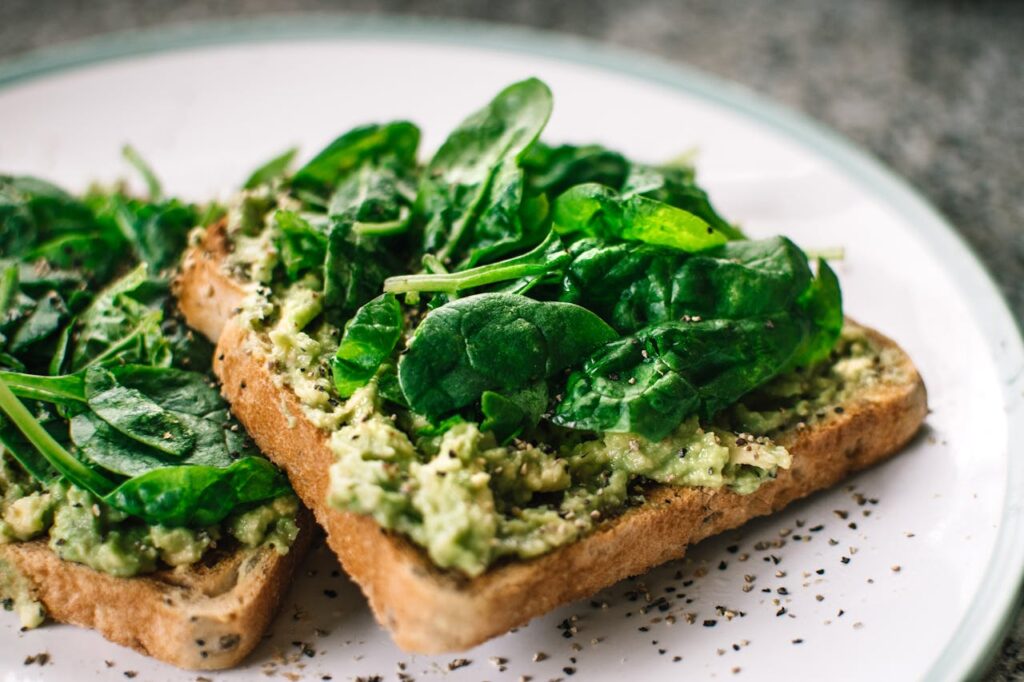
- Avocado Toast: Spread mashed avocado on whole-grain toast, and top with sliced tomatoes and a poached egg. Pair with a glass of orange juice for extra potassium boost.
- Sweet Potato Chips: Thinly slice a sweet potato, toss with olive oil and sea salt, and bake until crispy. Pair with a side of guacamole for dipping.
Natural Sources vs Supplements: It’s best to get potassium from food, but supplements can help if needed. Always consult with a healthcare provider before taking supplements.
Safe Potassium Dosages
| Age Group | Dosage | Health Benefits | Side Effects | Research Sources |
| Children | 1-3 mEq*/kg daily | Important for growth and development, supports muscle function | Nausea, diarrhea, stomach upset | JAMA, WebMD, Drugs.com |
| Adults | 40-100 mEq* daily | Maintains normal muscle and nerve function, supports heart health, helps prevent hypokalemia** | Nausea, diarrhea, stomach upset | JAMA, WebMD, Drugs.com |
| Older Adults | 40-100 mEq* daily | Aids in maintaining healthy blood pressure, may reduce the risk of stroke | Nausea, diarrhea, stomach upset | JAMA, WebMD, Drugs.com |
| Pregnant Women | 2,600-3,000 mg daily | Supports fetal development, maintains fluid balance | Unknown; excessive intake can lead to hyperkalemia** | JAMA, WebMD |
*milliequivalents per kilogram. A unit of measurement often used in medicine and chemistry to describe the concentration of a substance (usually ions like potassium, sodium, calcium, etc.) in a solution relative to body weight.
**Hypokalemia is a condition where low potassium levels lead to muscle weakness, fatigue, and heart issues. Hyperkalemia is a condition where potassium levels are too high, potentially causing dangerous heart rhythms and requiring urgent medical treatment.
Potassium Interactions with Drugs/Supplements
- Diuretics: Some diuretics can lower potassium levels, leading to deficiency.
- Angiotensin-Converting Enzyme (ACE) Inhibitors: These can increase potassium levels, risking hyperkalemia.
- Calcium Supplements: High calcium intake can interfere with potassium absorption.
Frequently Asked Questions (FAQ)
What Are the Best Sources of Potassium?
Bananas, oranges, avocados, spinach, sweet potatoes, yogurt, and salmon are excellent sources.
Can Potassium Help With Weight Loss?
Yes, potassium supports metabolic health and can help manage appetite, contributing to weight loss.
How Does Potassium Affect Blood Sugar Levels?
Potassium helps regulate insulin, which is essential for maintaining stable blood sugar levels.
Is Potassium Important During Menopause?
Potassium may help manage symptoms like hot flashes and mood swings during menopause.
What Are the Risks of High Potassium Levels?
High potassium levels can cause serious heart issues, so it’s important to monitor your intake, especially if you’re on certain medications.



Leave a Reply