
Key Takeaways
- Pyrroloquinoline quinone (PQQ) boosts energy by supporting mitochondrial growth.
- Memory and brain fog may improve with regular PQQ intake.
- PQQ helps reduce inflammation in the body.
- Combining PQQ supplements with exercise can support weight loss.
- It may help manage blood sugar and hormone balance during menopause.
What is PQQ?
Pyrroloquinoline quinone (PQQ) is an antioxidant essential for cellular energy production. It supports the function of mitochondria, which produces the energy your body needs to do everything from moving to thinking.
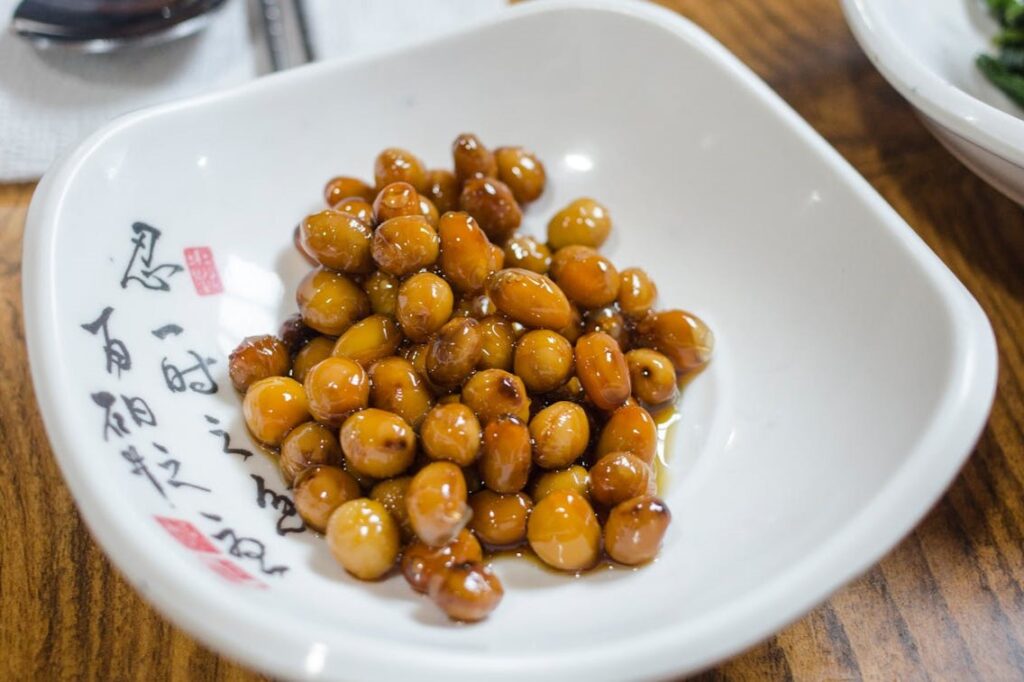
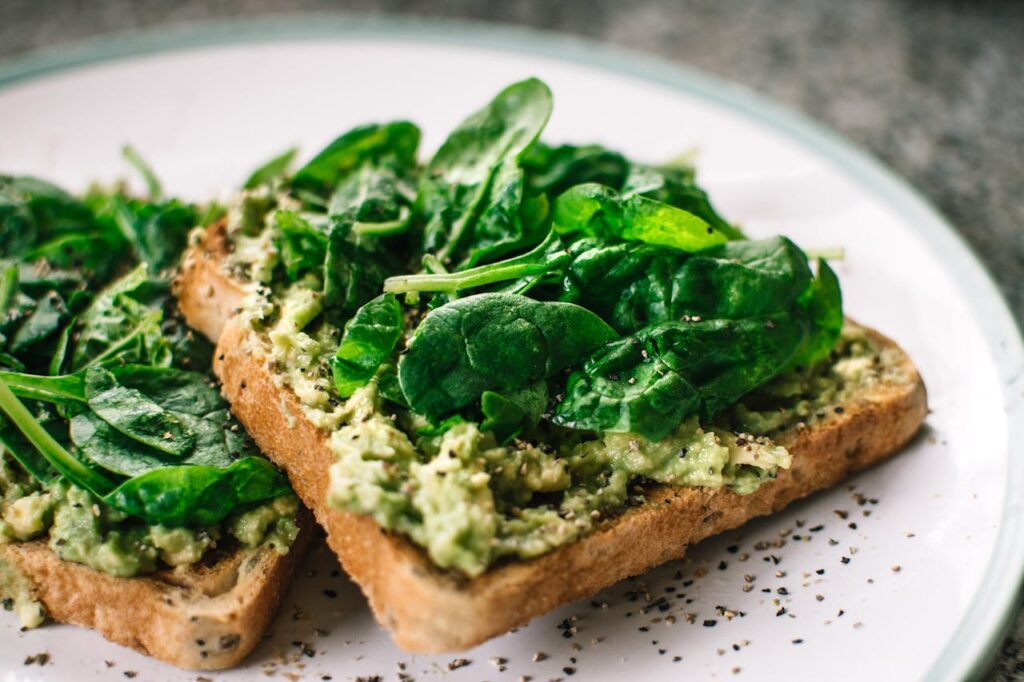
Pyrroloquinoline quinone is naturally found in foods like kiwifruit, green peppers, spinach, and fermented soybeans, but supplements can ensure adequate intake.
Benefits of PQQ
- Boosts Energy Levels: PQQ helps your body produce more energy by supporting the growth of mitochondria—especially important during menopause when fatigue is common. Research shows that taking 20 mg of PQQ daily can optimize mitochondrial function.
- Improves Memory and Focus: It helps sharpen your memory and clear up brain fog, a common issue during menopause. It also keeps your mind sharp as you age.
- Reduces Inflammation: PQQ helps lower inflammation in the body, which can be higher during menopause. This may help lower the risk of developing chronic health problems.
Side Effects of PQQ
Most people tolerate PQQ well, but some may experience mild side effects like headaches, nausea, or digestive issues. In rare cases, PQQ may cause severe side effects, including allergic reactions or liver issues. If you notice any unusual symptoms, stop usage and consult your healthcare provider.
Who Should Avoid PQQ? People with underlying health conditions or those on specific medications should avoid PQQ unless advised by a doctor. Pregnant and breastfeeding women should not take pyrroloquinoline quinone supplements due to insufficient safety research.

PQQ & Weight Loss
- Boosts Metabolism: PQQ helps improve your body’s energy production, which speeds up your metabolism. A faster metabolism burns calories more effectively, which is especially helpful during menopause when metabolism tends to slow down.
- Reduces Body Fat: In one study, participants who took PQQ supplements for 8 weeks lost more body fat than those who took a placebo.
- Works Well with Exercise: For the best weight loss results, combine pyrroloquinoline quinone supplements with regular exercise. Working out boosts metabolism and PQQ’s effects, helping you maintain a healthy weight during menopause.
PQQ & Blood Sugar Management
During menopause, it’s important to keep an eye on your blood sugar as the risk of insulin resistance can increase. Preliminary studies suggest that PQQ can help support blood sugar regulation by enhancing mitochondrial function and reducing oxidative stress. While these findings are promising, more research, especially in humans, is needed to confirm PQQ’s role in improving insulin sensitivity during menopause.
PQQ & Hormone Balance
Hormonal imbalances during menopause can cause symptoms like mood swings and fatigue. Some studies indicate that PQQ may help reduce stress and support energy production at the cellular level. One study found that PQQ supplementation significantly reduces fatigue and stress, which may play a role in achieving better hormonal balance.
PQQ & Menopause Management
- Relieving Menopausal Symptoms: PQQ’s ability to improve mitochondrial function and reduce oxidative stress can help manage menopause symptoms like hot flashes, mood swings, and fatigue. Taking PQQ regularly may help improve your overall well-being during menopause.
- Improving Mood Swings: It helps balance your hormones and reduce stress in your body, which can stabilize your mood and reduce anxiety.
- Fighting Fatigue and Brain Fog: By boosting energy production and supporting brain function, PQQ helps reduce the fatigue and brain fog that often come with menopause.
Adding PQQ to Your Diet
Reach for kiwifruit as a refreshing snack, toss green peppers and spinach into your salads, or try adding fermented soybeans to your breakfast.
If you find it challenging to get enough PQQ from food alone, supplements are a convenient option. They come in various forms, such as capsules or powders, which can be added to your morning smoothie or taken with breakfast.
Safe PQQ Dosages
| Age Group | Dosage | Health Benefits | Side Effects | Research Sources |
| Children | Consult a pediatrician before use* | N/A | N/A | N/A |
| Adults | 10-20 mg daily | Enhances mitochondrial function, supports cognitive health, reduces oxidative stress | Stomach upset, headaches | Et Chem, FDA GRAS |
| Older Adults | 20 mg daily | Improves memory and cognitive function, supports heart health | Stomach upset, headaches | Et Chem, FDA GRAS |
*Always consult with a healthcare provider before starting any new supplement regimen, especially for children, pregnant/breastfeeding women, and those with medical conditions or taking medications.
PQQ Interactions with Drugs/Supplements
Pyrroloquinoline quinone may interact with medications that affect blood sugar, like insulin. Monitor your blood sugar closely and consult your healthcare provider before starting PQQ.
Supplements that Complement PQQ:
- Coenzyme Q10 (CoQ10)
- Omega-3 fatty acids
- Vitamin D
- B vitamins
Frequently Asked Questions (FAQ)
What Is PQQ and How Does It Work?
PQQ is an antioxidant that supports cellular energy production and mitochondrial function.
Can PQQ Help With Menopausal Symptoms?
Yes, PQQ may help manage menopause symptoms like fatigue, mood swings, and brain fog by improving energy production and reducing oxidative stress.
Is PQQ Safe to Take Daily?
Most people tolerate PQQ well, but it’s important to follow the recommended dosage and consult a healthcare provider.
Does PQQ Aid in Weight Loss?
PQQ may support weight loss by boosting metabolism and reducing body fat, especially when combined with regular exercise.
What Foods Are High in PQQ?
Foods rich in PQQ include kiwifruit, green peppers, spinach, and fermented soybeans.



Leave a Reply