
Key Takeaways
- Quercetin helps reduce inflammation and oxidative stress and supports good health and wellness.
- It may aid in weight loss by improving metabolism and reducing fat cell development.
- It improves insulin sensitivity and lowers HbA1c levels.
- Furthermore, it can regulate hormones and improve fertility, especially for women with polycystic ovary syndrome (PCOS).
- Quercetin supports bone and vaginal health and is a natural option for menopause management.
What is Quercetin?
Quercetin is a flavonoid—a natural plant pigment found in fruits and vegetables. Popular for its powerful antioxidant properties, quercetin helps protect cells from damage caused by free radicals.
Benefits of Quercetin
- It may reduce inflammation by blocking inflammatory molecules like cytokines, which play a key role in chronic conditions such as rheumatoid arthritis.
- Its antioxidant effects help neutralize free radicals, protecting cells from oxidative damage and lowering the risk of chronic diseases, including heart disease and cancer.
- It supports heart health by reducing blood pressure and improving endothelial function, which helps prevent cardiovascular diseases.
Side Effects of Quercetin
Quercetin is generally well-tolerated, but mild side effects like headaches or digestive discomfort may occur. In rare cases, quercetin may lead to kidney issues or allergic reactions, particularly in individuals with pre-existing conditions.

Quercetin & Weight Loss
Reduces Body Fat
It helps limit fat storage in the body. Studies show that it can reduce body weight gain and lower fat tissue by inhibiting certain enzymes and proteins that promote fat growth. In animal studies, quercetin has been shown to decrease fat cell differentiation, which means fewer fat cells develop in the body. By stopping the growth of fat cells, it helps reduce overall body fat and weight.
Improves Metabolic Health
In addition to its fat-fighting properties, quercetin can improve metabolic health. Research indicates that it can enhance glucose tolerance and reduce inflammation—two key factors that contribute to weight gain and obesity. Its ability to improve metabolism may make it easier for the body to burn fat, rather than store it.
Links To Gut Health
Quercetin can also support weight loss by promoting a healthy balance of gut bacteria. When combined with resveratrol, quercetin can alter the gut microbiota in ways that favor weight loss. It reduces bad bacteria linked to obesity while increasing good bacteria that support a healthy metabolism.
Quercetin & Blood Sugar Management
Helps Control Blood Sugar
Quercetin can play a key role in managing blood sugar levels. Studies show that it helps lower blood glucose by regulating the enzymes that break down carbohydrates into sugar. This slower breakdown means fewer spikes in blood sugar after meals. Quercetin can be particularly helpful for those with diabetes or prediabetes.
Boosts Insulin Sensitivity
Another way it supports blood sugar control is by improving insulin sensitivity. Insulin helps your body absorb sugar from the bloodstream, but if your cells become resistant to insulin, blood sugar levels rise. Quercetin makes your cells more responsive to insulin, helping to lower blood sugar.
Lowers HbA1c
This flavonoid can improve long-term blood sugar control by lowering HbA1c levels. HbA1c is a marker that shows your average blood sugar levels over the past 3 months—and lower levels mean better blood sugar management. A clinical trial shows that quercetin supplementation significantly reduced HbA1c in people with type 2 diabetes, making it an effective tool for long-term control.
Reduces Oxidative Stress
Oxidative stress and inflammation are major contributors to insulin resistance and high blood sugar. Quercetin’s antioxidant properties help reduce both oxidative stress and inflammation, making it easier for your body to manage blood sugar. By reducing these harmful processes, quercetin supports overall metabolic health.

Quercetin & Hormone Balance
Regulates Hormonal Imbalances
Quercetin has been shown to help regulate hormones—particularly in conditions like polycystic ovary syndrome (PCOS). In women with PCOS, quercetin supplementation significantly lowered levels of luteinizing hormone (LH) and testosterone—two hormones often elevated in this condition. By reducing these hormone levels, quercetin helps balance the reproductive system and may even improve fertility outcomes.
Supports Ovarian Health
It is known for its protective effects on the ovaries. It increases the antioxidant capacity of the ovaries, particularly in menopausal women. By boosting levels of antioxidant enzymes such as superoxide dismutase and glutathione, quercetin helps reduce oxidative stress—which is linked to aging and hormonal decline.
Fertility in PCOS
It can help improve fertility in women with PCOS by promoting the development of ovarian follicles—a process called folliculogenesis. Studies show that quercetin boosts this process by regulating hormone production and reducing inflammation in the ovaries. This leads to improved egg quality and better reproductive outcomes.
Quercetin & Menopause Management
Supports Bone Health
During menopause, a decline in estrogen often leads to bone loss and an increased risk of osteoporosis. Quercetin shows promising results in protecting bone health by reducing bone loss and inflammation. Studies suggest it can prevent bone density decline by lowering oxidative stress and inflammation—two major contributors to bone loss in menopausal women.
Boosts Vaginal Health
Vaginal health can also be affected during menopause due to reduced estrogen levels. Quercetin’s phytoestrogenic properties may help promote vaginal epithelial maturation, improving vaginal health. This may prevent issues like vaginal dryness and atrophy, common symptoms during menopause.
Vaginal epithelial maturation refers to the process where the lining (epithelium) of the vagina thickens and matures, usually under the influence of hormones like estrogen. This process is important for maintaining vaginal health, moisture, and elasticity.
Natural Alternative to HRT
Hormone replacement therapy (HRT) is typically used to manage menopause symptoms, but not everyone can or wants to take synthetic hormones. Quercetin can offer a natural alternative. In a study using ovariectomized rats, quercetin-loaded nanoparticles showed enhanced bioavailability and were effective at improving bone health, and lipid profiles, and reducing oxidative stress. These benefits make quercetin a potential natural alternative to HRT for managing menopause symptoms.
Adding Quercetin to Your Diet
Quercetin is a powerful antioxidant naturally found in a variety of fruits and vegetables. Adding these foods to your daily meals is a simple way to boost your quercetin intake:
- Apples
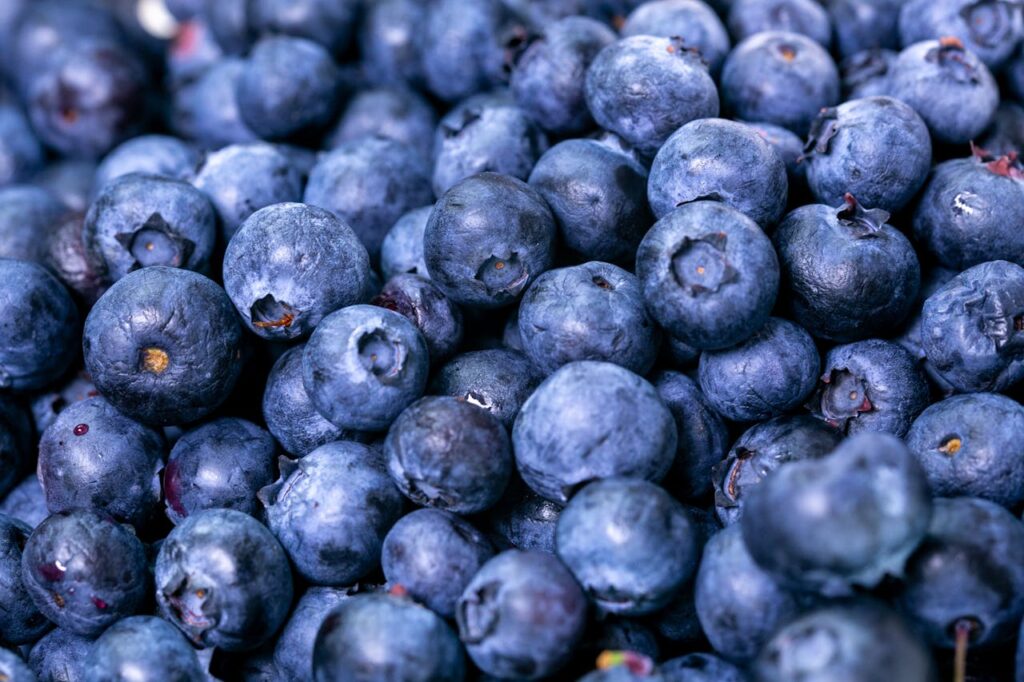
- Berries (such as blueberries, blackberries, and cranberries)
- Onions (especially red onions)
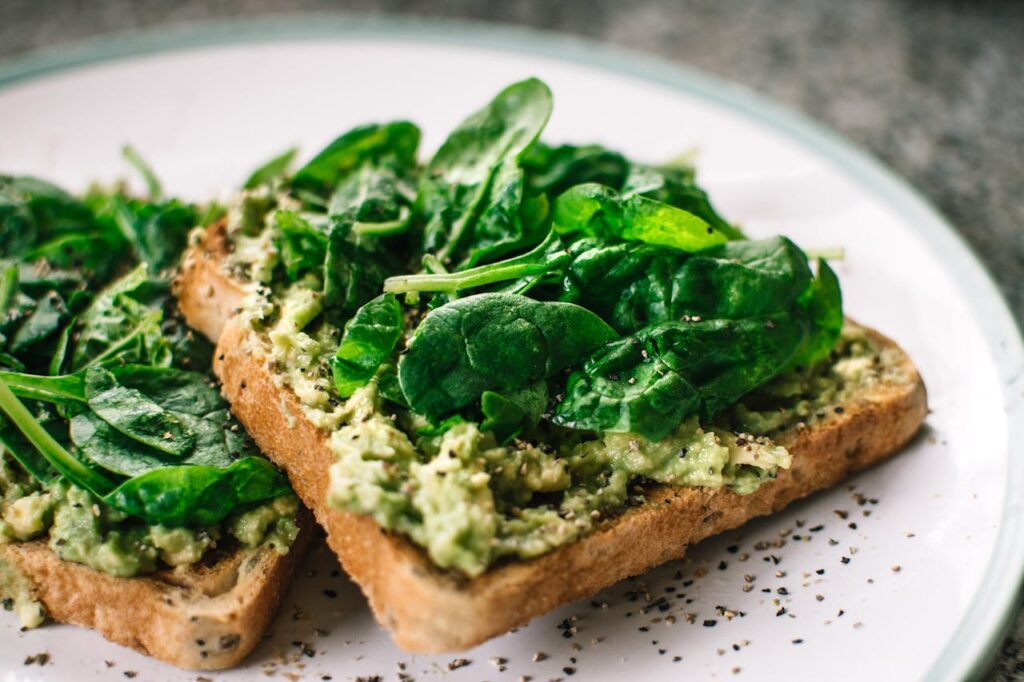
- Leafy greens (like kale and spinach)
- Green tea
You can also find quercetin in red wine, certain herbs like dill and cilantro, and capers.
If you’re not getting enough quercetin from food, consider a quercetin supplement—available in tablets, capsules, or powders.
Safe Quercetin Dosages
| Age Group | Dosage | Health Benefits | Side Effects | Research Sources |
| Children | No specific dosage recommendations* | N/A | N/A | N/A |
| Adults | 500-1000 mg per day for up to 12 weeks | – Improved glycemic control in type 2 diabetes- Reduced blood pressure in hypertensive individuals- Potential anti-inflammatory and antioxidant effects | – Headache, upset stomach- Potential kidney damage at very high doses (>1 g per day) | NCBI, Mt. Sinai,WebMD, NCBI |
*Always consult a healthcare provider before starting any new supplement regimen, especially for children, pregnant/breastfeeding women, and those with medical conditions or taking medications.
Quercetin Interactions with Drugs/Supplements
Quercetin can interact with certain medications, including:
- Antibiotics
- Blood thinners
- Chemotherapy drugs
It may also interact with supplements like St. John’s Wort and ginkgo biloba. Always consult your healthcare provider before combining quercetin with other medications or supplements.
Frequently Asked Questions (FAQ)
What Are the Benefits of Quercetin?
Quercetin offers anti-inflammatory, antioxidant, and metabolic health benefits. It can support heart health, weight loss, and blood sugar control.
Can Quercetin Help with Menopause Symptoms?
Yes, quercetin may protect bone health, improve vaginal health, and serve as a natural alternative to hormone replacement therapy (HRT).
Is Quercetin Safe for Daily Use?
Quercetin is generally safe when taken in recommended doses. However, always consult your doctor before starting any new supplement.
Does Quercetin Help with Weight Loss?
Quercetin may support weight loss by enhancing metabolism and reducing fat cell growth.
Can Quercetin Affect Medications?
Yes, quercetin may interact with medications like antibiotics, blood thinners, and chemotherapy drugs. Consult your healthcare provider before use.



Leave a Reply