
Key Takeaways
- Berberine is a plant-based compound with a range of health benefits, including supporting blood sugar management and weight loss.
- It has been found to help regulate estrogen, which can be particularly beneficial during menopause.
- Berberine may also help manage menopause symptoms due to its metabolic benefits and anti-inflammatory properties.
- While berberine has many benefits, it also has potential side effects such as digestive upset, which should be monitored.
What is Berberine?
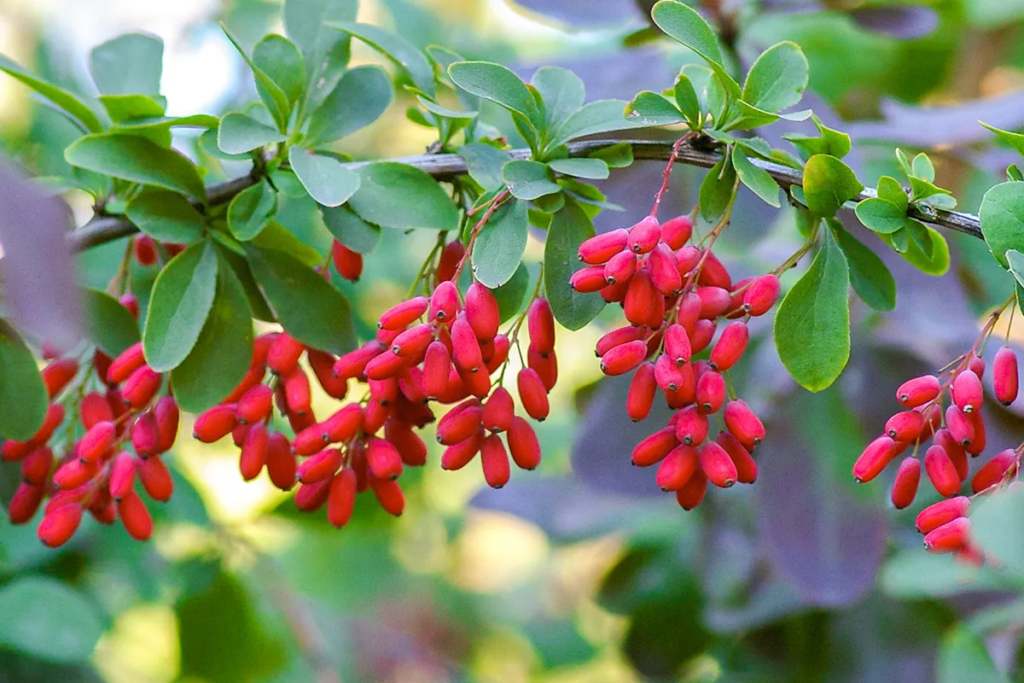
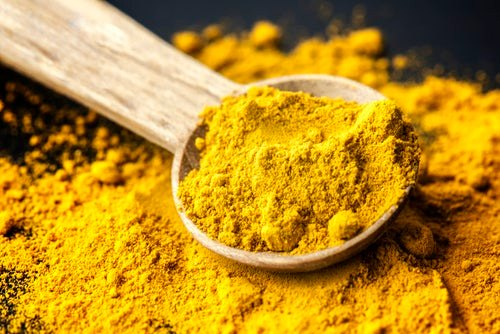
Berberine is a bioactive compound that comes from several different plants, including a group called Berberis. It’s an alkaloid, a type of naturally occurring chemical compound, full of nitrogen atoms, and can interact with our bodies at a molecular level. It has a bright yellow color and is often used as a dye.
But beyond its vibrant hue, this plant extract has been used in traditional Chinese medicine and Ayuverdic medicine for over 3000 years. known for its potent anti-inflammatory and antimicrobial properties, berberine was used by ancient healers for a variety of conditions like diarrhea, eye infections, and certain skin issues.
Benefits of Berberine
- Berberine can enhance metabolic health. It activates an enzyme called AMP-activated protein kinase (AMPK)—often referred to as a “metabolic master switch”—which can lead to better regulation of metabolism and energy homeostasis.
- A systematic review published in Oxidative Medicine and Cellular Longevity in 2021 suggests that Berberine can be as effective as pharmaceutical drugs in controlling blood sugar levels.
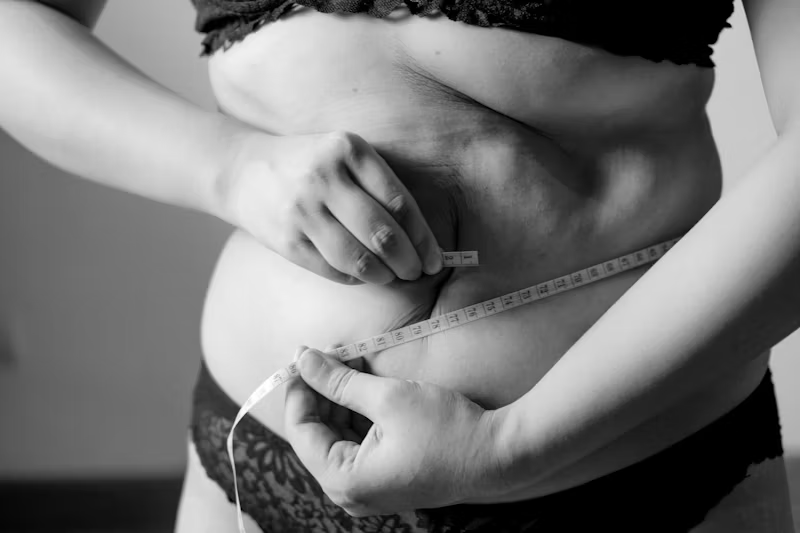
- Some studies indicate that berberine may help reduce body fat and promote weight loss, particularly in individuals with a body mass index (BMI) over 30.
- A 2012 study found that berberine can lower total cholesterol, “bad” LDL cholesterol, and triglycerides while raising “good” HDL cholesterol.
- Berberine may help women with PCOS by controlling cholesterol, lowering waist-to-hip ratio, and improving insulin response.
Side Effects of Berberine
- Gastrointestinal issues such as diarrhea, constipation, nausea, vomiting, gas, and upset stomach.
- Berberine is likely unsafe for pregnant and breastfeeding women. It can cross the placenta and may cause harm to the fetus, including a rare type of brain damage called kernicterus. It can also be transferred through breast milk and potentially harm the infant.
- In animal studies, berberine appeared to enlarge the liver, though this effect has not been confirmed in humans.
Berberine & Weight Loss
How exactly does berberine assist in weight loss?
It starts by activating AMPK, which improves insulin sensitivity and encourages the body to burn fat for energy. Berberine may also help regulate the function of hormones like leptin and adiponectin, which play crucial roles in appetite and fat distribution.
Moreover, a 2020 study found that berberine can influence the gut microbiota, promoting a balance that favors weight loss. A healthy gut is often linked to better weight management, and berberine’s impact on gut bacteria is a promising area of research for those looking to manage their weight.
A 2023 clinical study found participants with obesity experienced significant reductions in BMI and waist circumference after taking 1.5 grams of berberine daily for 24 weeks.
Berberine & Blood Sugar Management
Berberine’s impact on blood sugar levels is one of its most significant health benefits. It’s particularly useful for those managing type 2 diabetes or prediabetes, but even menopausal women with normal blood sugar levels can benefit from its regulatory effects.
A 2012 study suggested that berberine improves insulin sensitivity by inhibiting fat stores. Insulin is the hormone responsible for shuttling glucose from the blood into the cells. When your cells respond better to insulin, glucose is absorbed more efficiently, preventing high blood sugar spikes.
Berberine & Hormone Balance
For women, in particular, berberine can help regulate estrogen levels. It has been shown to influence the activity of enzymes that metabolize estrogen, which can help maintain hormonal balance.
Most importantly, this hormonal regulation can be incredibly beneficial during menopause, a time when women’s estrogen levels fluctuate significantly. It may reduce some of the common symptoms associated with menopause, like hot flashes and mood swings.
Additionally, berberine can reduce the production of androgens in women with polycystic ovary syndrome (PCOS), a hormonal disorder that can lead to irregular menstrual cycles and infertility. Berberine helps manage androgen levels, which can restore normal menstrual cycles and improve ovulation patterns.
Berberine & Menopause Management
Many women seek natural alternatives to hormone replacement therapy (HRT) for managing menopause symptoms. Berberine offers a potential solution, as its estrogen-regulating effects can help to mitigate hot flashes, night sweats, and mood swings.
A 2015 review published in Oxidative Medicine and Cellular Longevity also found that berberine can reduce menopause-associated pathologies like oxidative stress, inflammation, cardiovascular diseases, type 2 diabetes, and depression.
Besides that, its metabolic benefits can prevent weight gain, which is a common concern during menopause. A healthy weight can reduce the risk of conditions like osteoporosis and heart disease.
Adding Berberine to Your Diet
While berberine is primarily available as a supplement, there are some ways to incorporate berberine-containing foods into your diet. However, it’s important to note that dietary sources typically contain much lower amounts of berberine compared to supplements.
1. Barberry (Berberis vulgaris):
– Add dried barberries to salads, yogurt, or oatmeal.
– Use barberry juice or extract as a flavoring in beverages.
– Incorporate barberry into sauces or marinades.
2. Oregon grape (Berberis aquifolium):
– Use the berries to make jams or jellies.
– Add the berries to smoothies or baked goods.
3. Goldenseal (Hydrastis canadensis):
– Brew goldenseal tea.
– Use goldenseal powder in smoothies or juices.
4. Tree turmeric (Berberis aristata):
– Use the root in cooking, similar to regular turmeric.
– Add it to curries, soups, or golden milk.
5. Chinese goldthread (Coptis chinensis):
– Brew as a tea.
– Use the root powder in smoothies or juices.
6. Phellodendron bark (Phellodendron amurense):
– Use it as a spice in cooking.
– Brew as a tea.
Safe Berberine Dosages
The dosage for Berberine varies, but a common recommendation is 500mg, two to three times per day, taken with meals. This equates to taking 1000-1500 mg of Berberine daily. Taking berberine with food can help minimize digestive upset and enhance its absorption.
| Age Group | Benefits of Berberine | Dosage | Side Effects | Sources |
| Adults | – Weight loss – Lowering blood sugar levels – Improving heart health – Lowering cholesterol levels – Managing menopause symptoms | – Typical dosage: 500-1500 mg per day, divided into 2-3 doses – Dosage may vary based on individual needs and health conditions, consult a doctor for personalized dosage recommendations | – Upset stomach – Nausea – Constipation – Cramping | 1 2 3 4 5 |
Berberine Interactions with Drugs/Supplements
- Cyclosporine: Berberine may increase cyclosporine blood concentrations.
- Tacrolimus: Can increase tacrolimus concentrations and potentially cause renal toxicity.
- Dextromethorphan: May increase its effects and side effects.
- Losartan: May decrease its effectiveness.
- Diabetes medications: Can potentially cause blood sugar to drop too low when combined.
- Blood pressure medications: May cause blood pressure to go too low when combined.
- Blood thinners: May increase the risk of bleeding.
- CYP450 substrate drugs (especially CYP2D6, 2C9, and 3A4): Berberine can affect how quickly the liver breaks down these medications, potentially altering their effects.
- Supplements that lower blood sugar: Berberine may interact with other blood sugar-lowering supplements like chromium, alpha-lipoic acid, and magnesium.
- Probiotics: Berberine might reduce the effectiveness of probiotic supplements.
Frequently Asked Questions (FAQ)
Berberine is a bioactive compound extracted from several plants, particularly the Berberis group. It has been used in traditional Chinese and Ayurvedic medicine for over 3,000 years, primarily for its anti-inflammatory and antimicrobial properties.
Berberine is not a replacement for traditional diabetes medication but can be used as a complementary approach. It’s essential to consult with a healthcare provider before making any changes to your diabetes management plan.
Research suggests that berberine is safe for most people when used in the short term, but there is less information about the safety of long-term use. It’s important to have ongoing discussions with your healthcare provider about the duration of your berberine supplementation.
Results from berberine supplementation can vary. Some people may notice improvements in blood sugar levels within a few weeks, while other benefits, like weight loss, may take longer to manifest.
The best time to take berberine is with meals, which can help improve its absorption and minimize any potential digestive discomfort.
There is promising research indicating that berberine can help manage symptoms of PCOS, such as insulin resistance and hormone imbalances. However, more research is needed, and it’s crucial to work with a healthcare provider to determine if berberine is right for your PCOS treatment plan.



Leave a Reply