
Key Takeaways
- Psyllium is a natural fiber that helps regulate digestion, aiding with both constipation and diarrhea.
- Regular psyllium intake can help lower cholesterol and reduce the risk of heart disease.
- By slowing the absorption of sugars and carbs, psyllium helps manage blood sugar levels.
- It can support weight loss by promoting feelings of fullness and reducing calorie intake.
- Psyllium’s gel-forming properties help manage metabolic changes during menopause, supporting hormone balance.
What is Psyllium?
Psyllium comes from the husks of seeds from the Plantago ovata plant, primarily known for aiding digestion. It’s available in various forms: powder, capsules, wafers, and granules.

Benefits of Psyllium
- Psyllium is a natural fiber that absorbs water, forming a gel that softens stool and increases the regularity of bowel movements. It helps with both constipation and diarrhea.
- It helps lower cholesterol by binding to bile acids, which promotes their removal from the body. This may reduce blood pressure and the risk of heart disease.
- It slows the absorption of sugars and carbs, helping keep blood sugar levels steady.
Side Effects of Psyllium
Psyllium is safe for most people, but some users may experience bloating, gas, or stomach cramps in the early days of supplementation. Rarely, it can cause allergic reactions like rashes or trouble breathing. If you’re unsure about whether to take a psyllium supplement, talk to a healthcare provider.
Psyllium & Weight Loss
- Studies show that psyllium can help reduce body weight and waist circumference. One study found that regular intake, combined with lifestyle changes like diet and exercise, significantly improved insulin resistance and led to some weight loss, especially when used alongside a healthy lifestyle.
- Another study also demonstrated psyllium’s impact on reducing body mass index (BMI) and promoting fat loss.
Psyllium & Blood Sugar Management
- Studies show that regular psyllium intake significantly reduces fasting blood sugar and HbA1c levels—which are important markers for long-term blood sugar control.
- Several studies demonstrate psyllium’s effectiveness in managing blood sugar. One study shows that psyllium not only improved blood sugar markers but also reduced insulin resistance, making it easier for the body to regulate glucose levels.
- In a randomized control trial, participants with type 2 diabetes who took psyllium saw improvements in both blood sugar and body weight over 8 weeks. These results suggest that psyllium can be a powerful addition to a diabetes management plan.

Psyllium & Hormone Balance
- Maintaining stable blood sugar and a healthy metabolic profile is essential for hormone balance. Psyllium helps lower fasting blood sugar and improve insulin sensitivity, which are both closely linked to hormone production and regulation. By reducing these risk factors, it may help support overall hormonal balance.
- Research shows that psyllium improves “bad” LDL cholesterol levels across all groups but can have varying effects on triglycerides depending on hormonal status. In men and premenopausal women, it has a positive effect on cholesterol and triglycerides. However, postmenopausal women may see a different response, possibly due to the drop in estrogen after menopause.
- As hormone levels fluctuate—particularly during menopause—metabolic changes often follow. These changes can lead to weight gain, insulin resistance, and higher cholesterol levels. Psyllium’s ability to manage blood sugar, support weight management, and improve cholesterol levels can help ease these metabolic shifts and support overall hormonal health.
Psyllium & Menopause Management
- Research shows that psyllium fiber can help lower total cholesterol in postmenopausal women, reducing the risk of heart disease. A study found that postmenopausal women experienced a 5.2% reduction in total cholesterol after psyllium supplementation, while premenopausal women saw minimal changes.
- Menopause can also lead to issues like weight gain and increased insulin resistance, making it harder to maintain stable blood sugar levels. Psyllium’s gel-forming properties slow down digestion, which helps keep blood sugar levels stable and aids in weight management.
- Psyllium also supports metabolic health by improving markers such as fasting blood sugar and insulin sensitivity, both of which are often affected during menopause. By incorporating psyllium into a daily routine, women may find it easier to manage weight and blood sugar as hormonal shifts occur.

Adding Psyllium to Your Diet
This supplement can easily become part of your diet to support digestive health, manage cholesterol, and balance blood sugar levels.
Supplements
Psyllium is widely available in several convenient forms and it’s easy to find one that fits your lifestyle:
- Powder: Mix with water, juice, or smoothies.
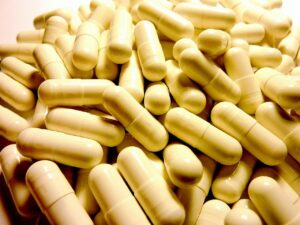
- Capsules: A quick option if you’re on the go.
- Wafers: A tasty, snackable option.
- Granules: Can be mixed into food or beverages.
For the best results, choose a supplement that’s free of artificial additives and sweeteners. When taking psyllium, drink plenty of water throughout the day to avoid digestive discomfort.
Easy Ways to Add Psyllium to Your Meals
Beyond supplements, you can add psyllium to everyday meals for an extra fiber boost. Here are a few simple ideas:
- Psyllium Smoothie: Blend 1 teaspoon with your favorite fruits, yogurt, and a splash of juice or water for a fiber-rich smoothie.
- Fiber-Rich Oatmeal: Stir 1 teaspoon into your morning oatmeal. It thickens the texture while adding some extra fiber.
- Psyllium Pancakes: Add 1 teaspoon to your pancake batter for a healthy twist on breakfast.
Safe Psyllium Dosages
| Age Group | Dosage | Health Benefits | Side Effects | Research Sources |
| Children | 1.25-15 g/day | Digestive health, constipation relief | Gas, bloating, abdominal pain | RxList, Drugs.com, Healthline |
| Children(12+ years) | 2.5-30 g/day | Digestive health, weight management | Gas, bloating, abdominal pain | RxList, Drugs.com, Examine |
| Adults(18+ years) | 7-14 g/day | Weight management, improved glycemic control, cholesterol-lowering | Gas, bloating, abdominal pain, diarrhea | Drugs.com, Healthline |
| Adults(50+ years) | 10-25 g/day | Improved digestive health, cholesterol management | Abdominal cramps, nausea, allergic reactions | RxList, Examine |
| Pregnant Women | 28 g/day | Constipation relief, improved digestion | Bloating, gas | Drugs.com, Healthline |
| Lactating Women | 29 g/day | Digestive health | Bloating, gas | Drugs.com, Healthline |
Psyllium Interactions with Drugs/Supplements
Common interactions include:
- Blood thinners
- Diabetes medication
- Cholesterol-lowering drugs
To avoid issues, take psyllium at least two hours before or after these medications.
Frequently Asked Questions (FAQ)
What is psyllium and where does it come from?
Psyllium comes from the husks of seeds from the Plantago ovata plant and is used as a fiber supplement.
How does psyllium help with weight loss?
Psyllium helps by making you feel satiated longer, reducing calorie intake, and supporting metabolism.
Can psyllium help manage blood sugar levels?
Yes, psyllium slows the absorption of sugars and carbs, helping to stabilize blood sugar levels.
Is psyllium safe for postmenopausal women?
Yes, studies show that psyllium can lower cholesterol and support metabolic health in postmenopausal women.
Are there any side effects of taking psyllium?
Some people may experience bloating, gas, or stomach cramps. Always drink plenty of water when taking psyllium.



Leave a Reply